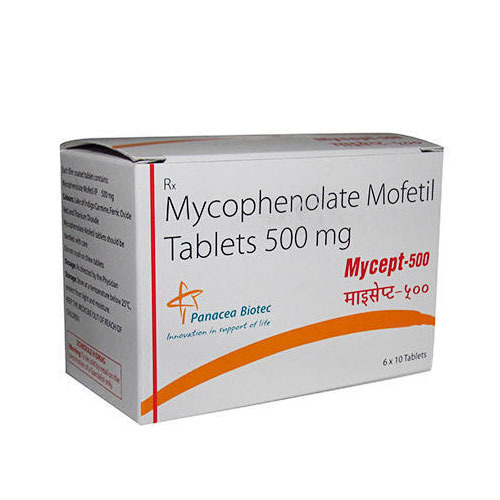
MYCEPT -S FOR EFFECTIVE TRANSPLANT MANAGEMENT

Mycept –s 360 is an immuosuppresant medication used to prevent organ rejection in patients who have received a kidney ,liver or heart transplant. It works by weakning the immune system ,stopping the body from attacking the newly transplanted donor organs. This medicine contains mycophenolate mofetil which has immunity –suppressing properties . it reduces the action of the body’s defence system and prevents rejection of the transplanted organ.

WHAT IS MYCEPT –S 360?

Mycept -360 is an immunosuppressant prescribe to prevent organ rejection after transplant. It weaknes the immune system ,making one more prone to infections.

Key classification:

  •  Drug class: immunosuppressant
  •  Mechanism: it works by inhibiting an enzyme that immune cells need to multiply, thereby preventing the body from attacking the transplanted organ.
  • Type: Delayed –release tablets
  •  Appearance: reddish-brown , oblong-shaped ,coated tablets ,pain or both sides
  • Administration: it is usually taken on an empty stomach for optimal absorption, unless otherwise directed by the healthcare professional.

WHAT ARE THE MEDICAL USES OF MYCEPT-S 360?

Medical uses of mycept –s 360 are:

A) Organ transplant care

Mycept S 360 is an immunosuppressant medication used to prevent organ rejection following a transplant:

1) It weakens the immune system so the body accepts the new organ .

2) it is primarily prescribed in combination with other drugs like corticosteroids and ciclosporin.

Kidney transplant,liver transplant ,heart transplant

Mycept-s 360 tablet belongs to a group of medicines to prevent one’s body from rejecting an organ after a transplant. It works by weakning the body’s immune system so it does not attack the transplanted organ. It should be taken on an empty stomach ,either one hour before or two hours after a meal. Take it at the same time everyday to maintain a constant level of this medicine in your body.

B) PREVENTION OF ORGAN REJECTION

mycept 360 helps prevent organ rejection after a transplant. It is primarily prescribed for solid organ transplant recipients to lower the activity of specific white blood cells that would otherwise treat the new organ as a foreign body. It belongs to the class of immunosupressants that work by decreasing the production of white blood cells in the body, helping the body accept the new organ.

HOW MYCEPT-S 360 WORK?

Mycept –s 360 work in the following ways:

1. Mycept-s 360 tablet contains mycophenolic acid, which is used to prevent rejection of a transplanted organ such as a liver, kidney or heart.

2. It belongs to the class immunosuppressant that works by decreasing the production of white blood cells in the body, helping the body accept the new organ.

3. Mycept -360 is the medication used in the combination with other drugs to prevent the body from rejecting transplanted organs , such as kidney, liver or heart . it works by weakning the immune system to stop it from attacking the new organ.

WHAT ARE THE BENEFITS OF MYCEPT –S 360 ?

Benefits of mycept –s 360 are:

1. Helps prevent organ rejection

Mycept-360mg tablet belongs to a group of medicines called immunosuppressants . it is used with other medicines to prevent the body from rejecting an organ after a transplant. It works by weakening the body immune’s system , so it does not attack the transplanted organ.

2. Supports successful transplant outcomes

Mycept -360 tablet helps prevent organ rejection after transplant . it belongs to a group of medicines called immunosuppressant. It is used with other medicine to prevent the body from rejecting an organ after a transplant. It works by weakening the body’s immune system , so it does not attack the transplanted organs.

3. Useful for long-term transplant management

Mycept -360 is highly effective and widely used for successful transplant management . it is a vital immunosuppressive medication primarily prescribed to prevent the body from rejecting a newly transplanted organ such as kidney, liver or heart. When used as a part of multi-drug regimen, it significantly improves the long-term survival and stability of the transplanted organ.

WHO SHOULD AVOID MYCEPT –S 360?

Mycept –s 360 should be avoided by the :

1. Patients allergic to mycophenolate sodium

Mycept -360 must be strictly avoided if the patient has a confirmed, severe allergy to mycophenolate sodium, mycophenolic acid or mycophenolate mofetil. An active allergic reaction can lead to severe swelling, breathing difficulties , and hives. To prevent organ rejection , a transplant team will typically switch the patient to a different class of immunosuppressant. If the prescription is mycept 360 and one are suspect allergy ,do not take the next dose without consulting their physician .

2. Pregnant women unless pescribed

Mycept -360 is strictly contraindicated during pregnancy unless there are absolutely no alternative treatments. It is known to cause congenital malformations, including facial abnormalities , malformed ears, and heart ,kidney or limb defects. Mycept passes into breast milk and should not be used while nursing.

3. Individuals with severe infections

Mycept 360 must be avoided or used with extreme caution if one have an active, severe infection. It is an immunosuppressant . it works by weakening the immune system to prevent organ transplant rejection. Because of this , it drastically reduces one’s body ability to fight off bacterial, viral or fungal infections ,potentially leading to severe or life-threatening complications .

WHAT ARE THE HEALTH TIPS FOLLOWED BY THE PAITENT DURING THE TREATMENT ?

Lifestyle and health tips followed by the patient during the treatment are:

Maintain hygiene to prevent infection

To maintain hygiene and prevent infections ,practice diligent handwashing, prepare and cook all food thoroughly to avoid bacteria, avoid contact with sick individuals ,practice excellent oral and skin hygiene and sanitize frequently touched surfaces.

• Following a balanced diet

There are no universal food restrictions ,but maintaining a balanced ,kidney-friendly, and hygine-focused diet is essential when taking mycept 360 mg. because it act as an immunosuppressant, prioritizing food safety and proper medication timing is critical . if one are a transplant recipient , one may need to limit sodium ,potassium and phosphorus to protect the kidney health.

CONCLUSION

Mycept -360 is an immunosuppresant medication used to prevent organ rejection in transplant recipents. The drug works by suppressing the immune system’s production of DNA in white blood cells making the body less likely to attack the newly transplanted organ.

FREQUENTLY ASKED QUESTIONS (FAQs):

QUESTION: WHAT IS MYCEPT –S 360 USED FOR?

Mycept-s 360 is an immunosuppressant used primarily in combination with other medications to prevent the body from rejecting transplanted organs ,such as kidney ,heart or liver. It works by weakening the immune system so it does not attack the new organ.

QUESTION: IS LONG-TERM USE SAFE?

Mycept-360 is associated with significant long-term risks –including a higher chance of severe infections ,certain cancers and birth defects . by suppressing the immune system ,it makes one’s body more vulnerable to bacterial, viral and fungal infections . it can also cause stomach and intestinal ulcers or bleeding.

REFRENCES:

1)https://www.practo.com/consult/tummy-coming-out-i-am-taking-medicines-mycept-360-hcqs-200-wysolene-7mg-pregalin-sr-75-and-i-am-increasing-weight/q

2)

https://www.practo.com/consult/tummy-weight-is-increasin-i-am-taking-medicines-mycept-s-360-wysolene-5-mg-hcqs-200-pan-40-for-sle-disease-i-am/q
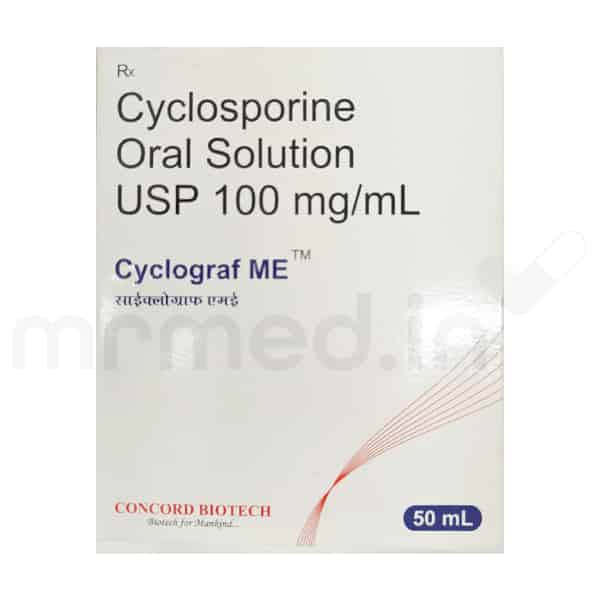
HOW CYCLOGRAF 100 MG SOL SYRUP HELPS IN MEDICAL TREATMENT?

Cyclograf MG100mg oral solution is an immunosuppersant medicine containing cyclosporine ,designed to prevent organ rejection (kidney, heart, liver) by weakening the immune system . it works by inhibiting T-cells activity, and is also used to treat severe psoriasis, rheumatoid arthritis and nephrotic syndrome . this medication is often prescribed for long –term use and interrupting treatment can lead to organ rejection .

WHAT IS CYCLOGRAF 100 MG SOL SYRUP?

Cyclograph 100 mg /ml oral solution contains cyclosporine ,classified as immunosuppressive agent. It belongs to the class calcineurin inhibitors ,used to prevent organ rejection and also treats autoimmune conditions by reducing immune system activity.

Key classification :

  •  Active ingredient : cyclosporine (also known as ciclosporin)
  •  Drug class: immunosuppressant ,calcineurin inhibitor.
  •  Formulation: ME (micro-emulsion) oral solution ,100 mg/ml
  •  mechanism: suppresses T-lymphocyte activity to prevent the body from treating transplanted organs as foreign invaders.

HOW CYCLOGRAF 100 MG SOL SYRUP WORK?

Cyclograph 100 mg sol works as a immunosuppressant to prevent organ transplant rejection and manage autoimmune conditions like severe psoriasis or rheumatoid arthritis by weakening the immune system . it inhabits the activation of T-cells ,preventing them from attacking foreign cells or causing joint/skin inflammation .

  • Targeted immunosuppression: it specifically inhibits T-helper cells responsible for initiating immune responses , without causing widespread bone marrow suppression.
  • Transplant protection: By reducing the activity of these immune cells, it prevents the body from recognizing and attacking a transplanted organ as foreign, thereby decreasing the risk of rejection.
  • Autoimmune benefits: in conditions like rheumatoid arthritis and psoriasis , this reduced t-cell activity lowers inflammation and reduces the overproduction of skin cells, respectively .

WHAT ARE THE USES OF CYCLOGRAF 100 MG SOL SYRUP?

Uses of cyclograf 100 mg sol syrup are:

1. Primary medical conditions treated

Cyclograf 100mg sol syrup containing the active ingredient cyclosporine , act as an immunosuppressant to treat primary medical conditions by inhibiting the activation of T-cells, which are white blood cells responsible for immune-mediated attacks on organs or tissues. It works by weakning the immune system to allow the body to accept transplanted organs or reduce inflammation in autoimmune diseases .

2. Role in supportive therapy

Cyclograf 100mg oral solution act as a powerful immunosuppressant in supportive therapy, primarily focusing on inhibiting T-lymphocyte activity to prevent the body from rejecting transplanted organs or attacking its own tissues. By suppressing the immune response , it helps to prevent acute rejection episodes, ultimately improving the survival rate and long-term function of transplanted organs. It is used alongside other immunosuppressant to prevent the rejection of transplanted liver, kidney, or heart , helping the body accept the new organs.

3. Use in infection or disease management

Cyclograf ME 100 mg oral solution, containing cyclosporine, is a potent immunosuppressant medication primarily used to manage diseases involving Immune system malfunction or to prevent organ rejection. It works by inhibiting T-cell activity, which reduces body ability to launch immune attacks. Some of the uses are:

  • It is used after kidney, liver, heart or bone marrow transplantation to prevent the body’s immune system from identifying the new organ and foreign and rejecting it.
  • It is used for active cases that do not respond to other therapies to reduce inflammation , pain and joint damage.
  •  It acts on the immune system to slow the overproduction of skin cells, improving plaque psoriasis.

WHAT ARE THE BENEFITS OF CYCLOGRAF 100MG SOL SYRUP?

Benefits of cyclograf 100 MG sol Syrup are:

1. Effective symptom management

Cyclograf ME 100mg oral solution is an immunosuppressant used to prevent organ rejection in transplants (kidney, liver, heart) and treat severe autoimmune conditions like rheumatoid arthritis and psoriasis . it works by suppressing T-cell activity ,typically taking 3-4 months to show maximum efficacy .

2. Convenient liquid formulation

Cyclograf ME 100 mg oral solution is a convenient, liquid formulation of cyclosporine , an immunosuppressant drug. It is designed for patients who need precise dosing to prevent organ rejection following kidney, liver or heart transplant. The liquid form allows for flexible dosing and is suitable for individuals who have difficulty swallowing capsules ,often administered using a provided dosing syringe. It must be taken consistently ,usually twice daily ,and at the same time relative to meals.

3. Supports faster recovery and treatment outcomes

Cyclograf ME 100 mg oral solution is an immunosuppressant used to support treatment outcomes by suppressing an overactive immune system . it is specifically used to prevent organ rejection in transplant patients to manage severe auto-immune conditions like rheumatoid arthritis and psoriasis . by suppressing T-cells activity, it reduces immune –mediated inflammation ,which helps prevent the body from rejecting transplanted organs and treats autoimmune diseases . it is a prescription only medication that must be taken consistently as directed ,often for long-term management .

WHO SHOULD AVOID CYCLOGRAF 100 MG SOL SYRUP?

Cyclograf 100 mg sol syrup should be avoided by the following patient :

1. Patient allergic to its ingredients

Cyclograf 100 mg solution must be strictly avoided by patients who have a known hypersensitivity or allergic reaction to cyclosporine or any of its ingredients . key ingredients to check allergies are:

  •  Polyoxyl 40 hydrogenated castor oil
  • Ethanol
  • Propylene glycol
  •  Flavoring agents

2. Individuals with specific medical condition

Cyclograph ME 100 mg oral solution is a potent immunosuppressant that should be avoided by individuals with uncontrolled hypertension ,severe kidney or liver disease ,active cancer or known hypersensitivity to cyclosporine. It is often avoided by those with active infectious or taking specific live vaccines.

CONCLUSION

Cyclograf ME 100 mg oral solution is a vital, prescription –only immunosuppressant used to prevent organ rejection in transplant patients and manage severe autoimmune conditions like psoriasis and rheumatoid arthritis by lowering immune response . it requires strict, long-term ,and consistent daily dosing under medical supervision due to risks like high blood pressure and infection.

FREQUENTLY ASKED QUESTIONS (FAQs):

QUESTION: WHAT IS CYCLOGRAF 100 MG SOL SYRUP USED FOR?

Cyclograf 100 mg sol syrup is an immunosuppressant medication , primarily used to prevent transplant rejection in patients who have received a kidney, liver or heart transplant. It works by weakning the immune system so the body does not attack the new organ.

QUESTION: IS CYCLOGRAF SAFE FOR CHILDREN?

Cyclograf ME 100 mg/ml oral solution is used for children to prevent organ rejection or treat severe autoimmune conditions ,but it is not inherently safe without strict medical supervision . the medication is a powerful immunosuppressant requires carefully calculated ,weight-based management by a doctor.

QUESTION: HOW SHOULD THE SYRUP BE STORED?

Cyclograpf ME 100mg oral solution should be stored at room temperature generally below 30 degrees or between 20 to 25 degrees . protected from light and moisture ,it should be kept in a cool, dry place, in its original container and out of reach of children and pets.

REFRENCES:

1)https://www.mrmed.in/medicines/cyclograf-me-100mg-oral-solution?srsltid=AfmBOooIL0TLWiZZCiw5dkK57OPzRERxnMXHhcHc-0xyM_hoeVoBJ1vY

2)https://oncohealthmart.com/product-details/1353/cyclograf-me-100mg-oral-solution/

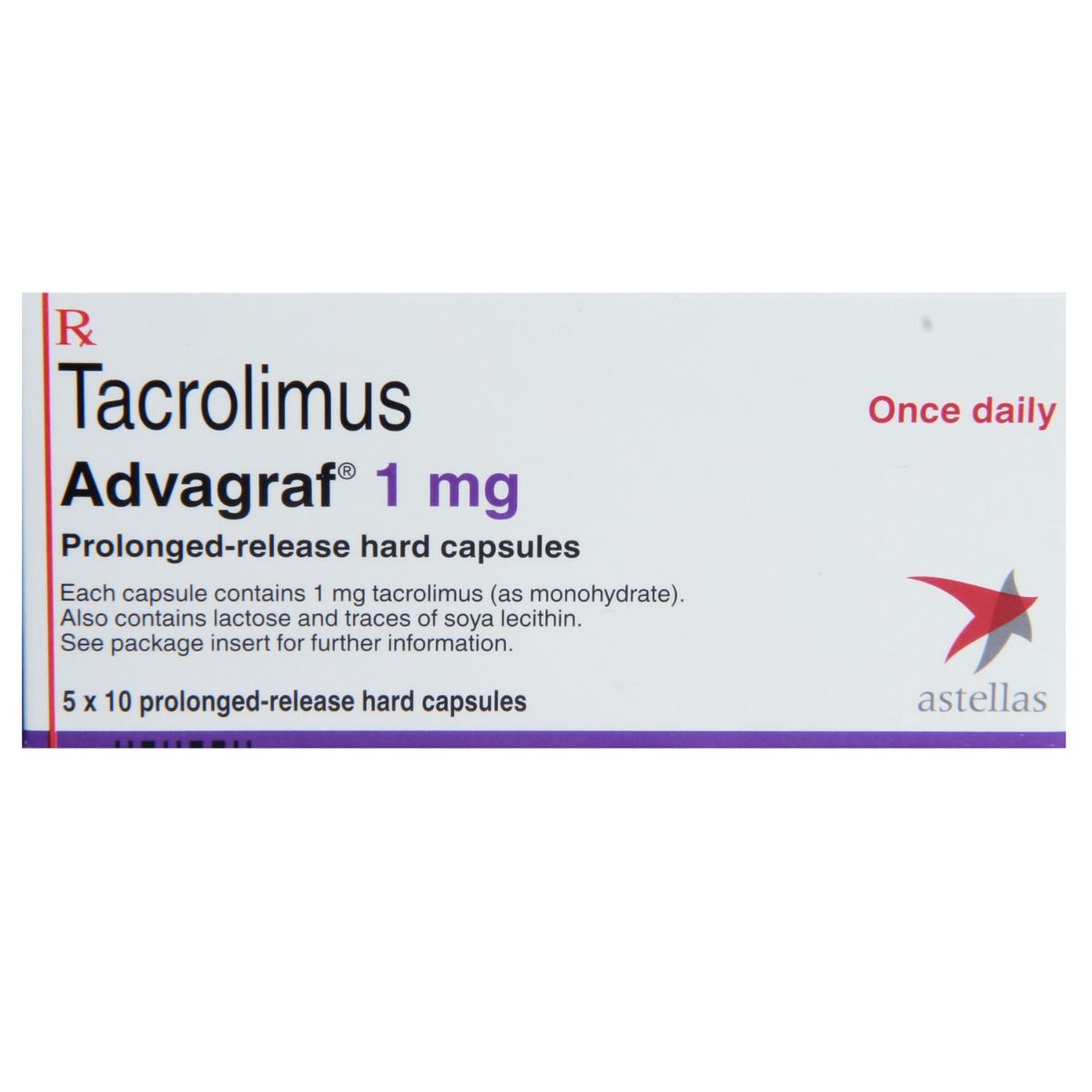
ADVAGRAF 1 MG (TRACROLIMUS):HOW IT WORKS AND WHEN IT IS USED


Advagraf 1mg capsule is a prescription –only ,prolonged –release formulation of tacrolimus ,an immunosupressant used to prevent organ rejection in kidney, liver or heart transplant pateints. It works by weakening the immune system to stop it from attacking the transplanted organs.

Immune suppression more commonly referred to immunosuppression or the management of transplant immunology , is the cornerstone of the transplanted care. It involves using medications to deliberately weaken the recipients immune system to prevent it from recognising and destroying the foreign, transplanted organ ,while trying to maintain enough immunity to fight infections.

WHAT IS ADVAGRAF 1MG?

Advagraf 1 mg is a calcineurine inhibitor immunosuppressant containing the active ingredient Tacrolimus. It is a prolonged release once –daily medication used to prevent organ rejection in kidney, liver, or heart transplant patients by weakness the immune system to inhibit T-lymphocyte activation.

Key classification:

  • Generic name: Tacrolimus
  • Class: immunosuppressant ,calcineurine inhibitor
  • Mechanism of action: forms a complex with FKBP-12 ,inhibiting calcineurine phosphatase to suppress t-cell formation.
  • Formulation: prolonged release hard capsule
  • Common use: prophylaxis of transplant rejection (kidney,liver ,heart).


WHAT ARE THE MEDICAL USES OF ADVAGRAF 1 MG?

Medical uses of Advagraf 1 mg are:

1. Prevention of organ rejection after transplant

Advagraf 1mg is a prolonged –release , prescription only immunosuppressant used to prevent organ rejection after kidney or liver transplants. It works by weakening the immune system , often in combination with other medicines, to prevent the body from attacking the transplanted organ. It contains tacrolimus ,which inhibits T-lymphocyte activity ,suppressing the immune response against the new organ.


2. Used in kidney, liver and heart transplant patients

Advagraf 1 mg is a powerful immunosuppressant medicine used in adult pateints to prevent the immune system from attacking and rejecting a transplanted organ. It is specifically used for:

  • Kidney transplant: prevention of rejection
  • Liver transplant: prevention of rejection
  • Heart transplant: prevention of rejection (and other organs like lungs or pancreas)
  • Treatment of rejection: it is also used to treat existing organ rejection that has not responded to other immunosuppressive therapies.


3. Long-term maintenance therapy

Advagraf 1 mg is a once- daily ,prolonged-release formulation of the immunosuppressant tracolimus, used as long-term maintenance therapy to prevent organ rejection in adult kidney or liver transplant recipients. It works by inhibiting the immune system ,specifically T-cells that cause organ rejection. It is desingned for long-term use and must be continued as long as necessary to prevent rejection, there is typically no defined time for therapy.


WHAT ARE THE BENEFITS OF ADVAGRAF 1 MG CAPSULES?

Benefits of Advagraf 1 mg capsules are:

1. Prevents rejection of transplanted organs

Advagraf 1 mg is a prolonged –release immunosuppressant capsule containing tacrolimus, used to prevent organ rejection in adult kidney or liver transplant pateints. It works by weakening the immune system to prevent it from attacking the new organ . it is taken once daily, usually in combination with other immunosuppressants. It is designed to be taken once daily usually in the morning, on an empty stomach .


2. Improves long- term transplant outcomes

Advagraf is designed to improve long-term transplant outcomes, primarily by increasing medication adherence compared to twice-daily formulations. Studies indicate that improved adherence reduces the risk of graft failure and rejection, as non-adherence is a major cause of preventable long-term complications.


3. Reliable and effective immunosuppressive therapy

Advagraf 1 mg is widely recognized as a highly effective and reliable prolonged release immunosuppressant used to prevent organ rejection in adult kidney, and liver transplant patients. As a once-a-day formulation, it offers high reliability by improving treatment adherence compared to twice –daily formulations ,maintaining consistent therapeutic drug levels.


WHAT ARE THE POSSIBLE SIDE EFFECTS OF ADVAGRAF 1 MG?

Possible side effects of Advagraf 1 mg are:

1. Tremors

Tremors (shaking) ,particularly of the hands, are very common side effect of Advagraf 1mg ,affecting more than 1 in 10 patients . these temors are generally considered mild and transient, often appearing early in the treatment or as the body adjusts, but should be reported to a doctor if they are severe ,persistent or bothersome. As a potent immunosuppressant, tracolimus is frequently associated with neurological side effects ,including tremors .


2. High blood pressure

Advagraf 1mg commonly causes high blood pressure (hypertension) as a side effect. It is a very common side effect, affecting more than 1 in 10 users . high blood pressure can occur or worsen during treatment, often requiring frequent monitoring of blood pressure levels by a doctor. Tacrolimus may cause sodium retention and increase vascular contractility, leading to higher blood pressure .

3. kidney function changes

Advagraf 1 mg commonly causes kidney-related side effects because it is a potent immunosuppressant that can cause nephrotoxicity . it may cause acute kidney injury, chronic kidney impairment and high blood Pottasium, requiring regular mandatory blood monitoring of kidney function, especially in transplant patients. It can be tough on the kidneys , with potential for both sudden and long-term (chronic) harm. It can also cause an abnormal increase in serum creatinine levels.

CONCLUSION

Based on clinical studies, Advagraf 1 mg is a highly effective and considered a reliable alternative to twice-daily formulations ,improving patient adherence while maintaining similar, safe and effective immunosuppression . Advagraf 1 mg is effective at preventing graft rejection in adult liver and kidney transplant recipients. Studies have demonstrated that it is not inferior to program in maintaing stable transplant function.

FREQUENTLY ASKED QUESTIONS (FAQs):

QUESTION: HOW LONG SHOULD ADVAGRAF BE TAKEN?

Advagraf is designed for long-term daily use ,typically for the rest of ones life, to prevent organ rejection after a kidney or liver transplant. Because it is crucial to keep the transplanted organs safe, there is usually no specified limit to the duration of this therapy.

QUESTION: CAN IT BE TAKEN WITH OTHER TRANSPLANT MEDICATIONS?

Yes, advagraf is commonly taken with transplant medications, specifically as a part of a multi-drug regimen to prevent organ rejection . it is typically used alongside corticosteroids and mycophenenolate mobile (MMF) in kidney or liver transplant patients, though close monitoring is required due to potential drug interactions and side effects.

REFRENCES:

1)https://www.apollopharmacy.in/medicine/advagraf-1mg-capsule?srsltid=AfmBOooRqYKSd-DRIDx2H9HIfQUr87hdUjcfCbsncPrdaLUpI6Kxj9Be

2)https://www.medibuddy.in/order-medicines/advagraf-1mg-capsule-pr-1000057650


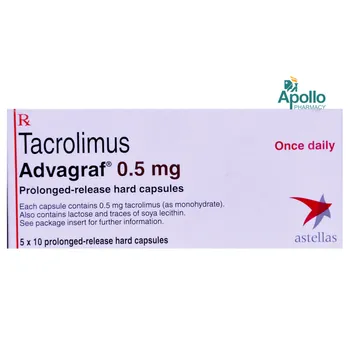
ADVAGRAF 0.5 MG FOR PREVENTING ORGAN REJECTION AFTER TRANSPLANT


Advagraf 0.5 mg capsules contain tracolimus and are used as a immunosuppressant to prevent organ rejection (liver, heart, kidney ) transplant patients. It works by weakening the immune system to help the body accept the new organ. This medication is prolonged-release formulation, typically taken once daily on an empty stomach . immunosuppressant or anti-rejection medications, are critical, usually life-long drug for transplant recipients . They reduce the body’s immune response to prevent the immune system from attacking and rejecting the foreign transplanted organs. These medications work by lowering immune system activity to ensure grafts long-term survival.

WHAT IS ADVAGRAF 0.5 MG?

Advagraf 0.5 mg is classified as a potent immunosuppressant medication containing the active ingredient tacrolimus. It is a prolonged –release capsule used to prevent organ rejection in adult patients following kidney or liver transplants . it works by inhibiting the body’s immune system from attacking new organ.

Key classification :

  • · Active ingredient : Tacrolimus
  •  Dru class:immunosuppressant/calcineurin inhibitor
  • · Formulation: prolonged –release (once-daily ) hard capsules.
  • · Usage : prophylaxis of transplant rejection (kidney/liver)
  • · Mechanism: inhibits T-lymphocytes activation
  • · Prescription : requires strict medical supervision.


WHAT ARE THE MEDICAL USES OF ADVAGRAF 0.5 MG?

Medical uses of Advagraf 0.5 mg are:

1. Prevention of organ rejection after transplant

Advagraf is a prolonged –release capsule containing the immunosuppressant tacrolimus , designed for once-daily dosing to prevent organ rejection in adult kidney or liver transplant recipients. It suppresses the immune system ,specifically t-cells, to prevent them from attacking the new organ . it is often used in combination with other immunosuppressant. Taken once-daily ,in an empty stomach (1 hour before or 2 hours after food).

2. Used in kidney, liver and heart transplant patients

Advagraf 0.5 mg is a prolongedrelease, prescription –only immunosuppressant used to prevent organ rejection in adult kidney, liver and heart transplant patients. It works by suppressing the immune system to help the body accept the transplant. It is administered once daily usually in the morning. It is a prolonged –release formula of tacrolimus that release the drug slowly ,often replacing immediate release options like prograf.


3. Long term maintenance therapy

Advagraf prolonged release capsules are utilized for the long term maintenance of adult kidney or liver transplants ,designed for once daily dosing to prevent organ rejection. It is intended for long term use to suppress the immune system from attacking transplant. Regular therapeutic drug monitoring is mandatory to ensure the dosage is safe and effective.


WHAT ARE THE BENEFITS OF ADVAGRAF 0.5 MG CAPSULES?

Benefits of Advagraf 0.5 mg capsules are:

1. Once daily dosing improves compliance

Studies indicate that once-daily Advagraf results in significantly better advagraf results in significantly better adherence compared to twice-daily formulations, as measured by standard adherence scales. It is designed to be taken once daily in the morning ,typically on an empty stomach to ensure consistent blood levels.


2. Helps maintain long term transplant success

Advagraf 0.5 mg is a maintenance immunosuppressant designed to prevent organ rejection in adult kidney or liver transplant recipients by offering a once-daily dosing resigm that improves long-term medication adherence. It works by suppressing the activity of white blood cells (t-lymphocytes) that can attack the transplanted organ. Because Advagraf is taken once daily, it can improves compliance compared to twice-daily alternatives ,which is crucial for preventing long-term graft loss.


3. Proven efficacy in transplant pateints

Advagraf is a once daily immunosuppressant with proven efficacy in preventing organ rejection in adult kidney and liver transplant recipients, showing similar efficacy and safety profiles to twice-daily formulations, Prograf . studies show Advagraf is effective in primary immunosuppression and maintaince therapy, helping to prevent transplant rejections.


WHAT ARE THE POSSIBLE SIDE EFFECTS OF ADVAGRAF 0.5 MG?

Side effects of Advagraf 0.5 mg are:

1. Tremors

Tremor (Shaking) ,particularly of the hands ,is a very common side effect of Advgraf 0.5 mg, affecting more than 1 in 10 pateints. These involuntary, rhtythmic movements are frequently reported in transplant pateints taking this immunosuppressant. While often manageable, severe or peristant tremors should be discussed with a doctor, as they can sometimes indicate that blood level of the medication needs adjustment.


2. Headache

Headache is a very common side effect of advagraf 0.5 mg ,affecting more than 1 in 10 pateints. It is often associated with the medication impact on the nervous system and usually,but not always, subsides as the body adjust to the treatment . headaches can also be linked to increased blood pressure, which is a common side effect of Advagraf.


3. Kidney function changes

Advdagraf 0.5 mg capsules are an immunosuppressant used to prevent the rejection of transplanted kidneys or livers. Because it act as a powerful immune system suppressor, it is associated with several side effects ,with kidney function changes, being one of the most critical to monitor . while the goal is to save the transplant, the medicine itself can sometimes be hard on the kidneys. Acute kidney injury caused by Advagraf is often reversible by adjusting the dose.


CONCLUSION

Advagraf 0.5 mg is a highly effective, prolonged-release immunosuppressant used to prevent organ rejection in adult kidney or liver transplant pateints, often providing equivalent efficacy to twice-daily prograf with improved adherence. It act by suppressing the immune system to protect the transplant but requires long-term use and carries risks of infections, kidney impairment, and metabolic side effects.


FREQUENTLY ASKED QUESTIONS(FAQs):


QUESTION: HOW LONG SHOULD ADVAGRAF BE TAKEN?

Advagraf is intended for long-term use and must usually be taken for the rest of your life to prevent rejection of the transplanted liver or kidney. It is a maintenance therapy designed for daily use for as long as one need immunosuppression ,unless the doctor advice others.


QUESTION: CAN IT BE TAKEN WITH OTHER TRANSPLANTED MEDICINE ?

Yes, Advagraf is designed to be taken with other transplant medications to prevent organ rejection. It must never be taken with cyclosporine ,and many other drugs ,supplements and foods can interact with it, requiring careful monitoring by the doctor.

REFRENCES:

1) https://www.ema.europa.eu/en/medicines/human/EPAR/advagraf

2)https://www.medicines.org.uk/emc/product/345/pil#gref


Add to cart