ADVAGRAF 1 MG (TRACROLIMUS):HOW IT WORKS AND WHEN IT IS USED


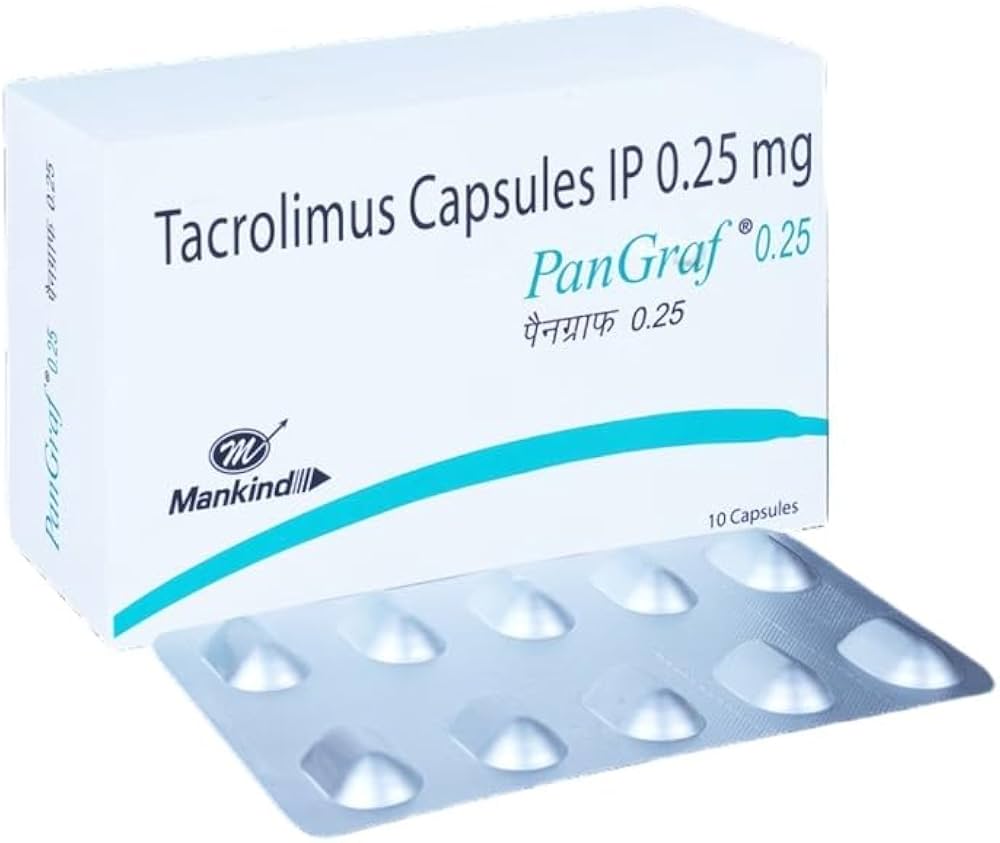
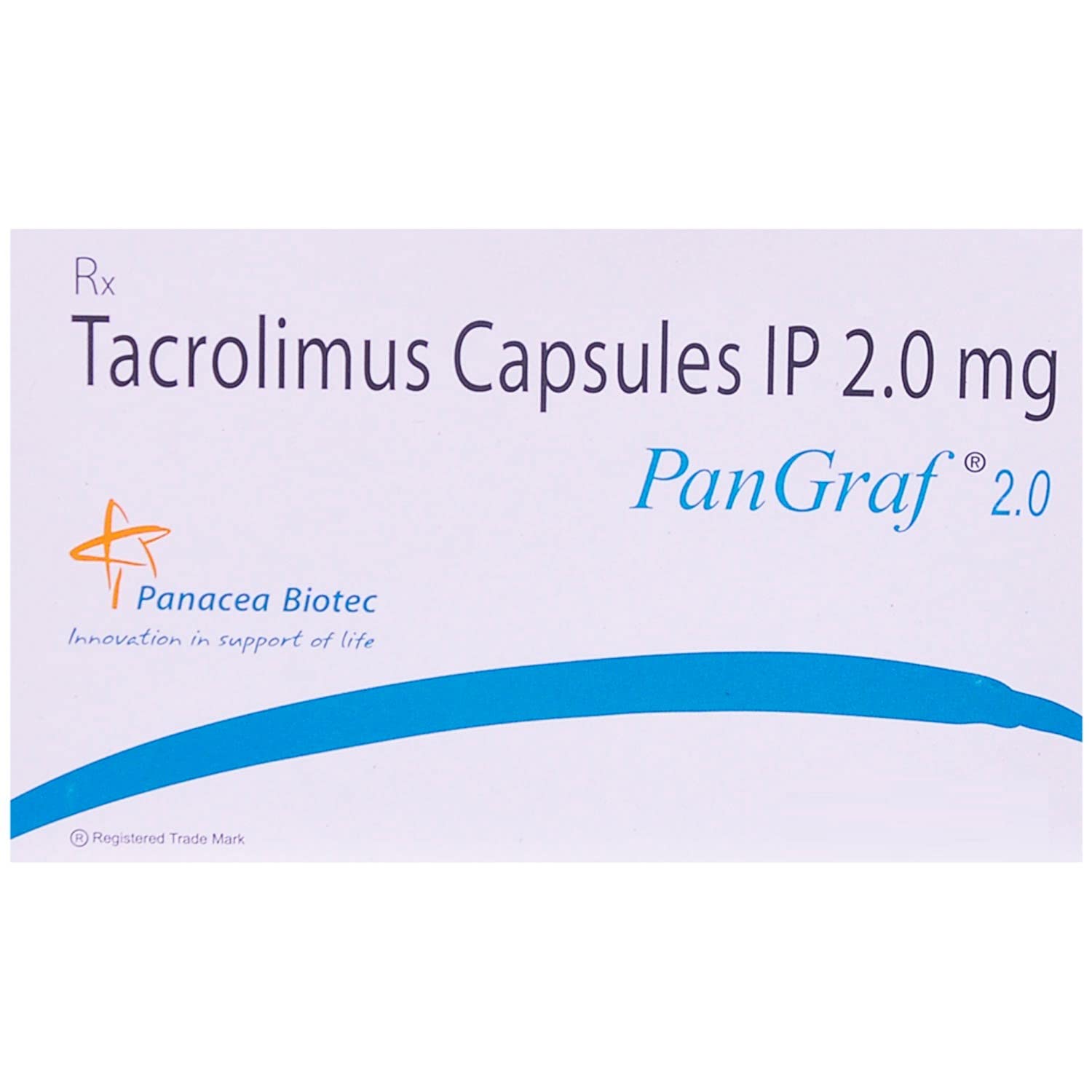
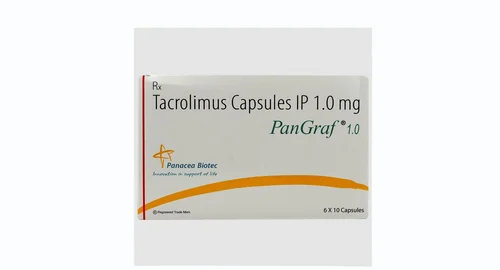
Advagraf 1mg capsule is a prescription –only ,prolonged –release formulation of tacrolimus ,an immunosupressant used to prevent organ rejection in kidney, liver or heart transplant pateints. It works by weakening the immune system to stop it from attacking the transplanted organs.

Immune suppression more commonly referred to immunosuppression or the management of transplant immunology , is the cornerstone of the transplanted care. It involves using medications to deliberately weaken the recipients immune system to prevent it from recognising and destroying the foreign, transplanted organ ,while trying to maintain enough immunity to fight infections.

WHAT IS ADVAGRAF 1MG?

Advagraf 1 mg is a calcineurine inhibitor immunosuppressant containing the active ingredient Tacrolimus. It is a prolonged release once –daily medication used to prevent organ rejection in kidney, liver, or heart transplant patients by weakness the immune system to inhibit T-lymphocyte activation.

Key classification:

  • Generic name: Tacrolimus
  • Class: immunosuppressant ,calcineurine inhibitor
  • Mechanism of action: forms a complex with FKBP-12 ,inhibiting calcineurine phosphatase to suppress t-cell formation.
  • Formulation: prolonged release hard capsule
  • Common use: prophylaxis of transplant rejection (kidney,liver ,heart).


WHAT ARE THE MEDICAL USES OF ADVAGRAF 1 MG?

Medical uses of Advagraf 1 mg are:

1. Prevention of organ rejection after transplant

Advagraf 1mg is a prolonged –release , prescription only immunosuppressant used to prevent organ rejection after kidney or liver transplants. It works by weakening the immune system , often in combination with other medicines, to prevent the body from attacking the transplanted organ. It contains tacrolimus ,which inhibits T-lymphocyte activity ,suppressing the immune response against the new organ.


2. Used in kidney, liver and heart transplant patients

Advagraf 1 mg is a powerful immunosuppressant medicine used in adult pateints to prevent the immune system from attacking and rejecting a transplanted organ. It is specifically used for:

  • Kidney transplant: prevention of rejection
  • Liver transplant: prevention of rejection
  • Heart transplant: prevention of rejection (and other organs like lungs or pancreas)
  • Treatment of rejection: it is also used to treat existing organ rejection that has not responded to other immunosuppressive therapies.


3. Long-term maintenance therapy

Advagraf 1 mg is a once- daily ,prolonged-release formulation of the immunosuppressant tracolimus, used as long-term maintenance therapy to prevent organ rejection in adult kidney or liver transplant recipients. It works by inhibiting the immune system ,specifically T-cells that cause organ rejection. It is desingned for long-term use and must be continued as long as necessary to prevent rejection, there is typically no defined time for therapy.


WHAT ARE THE BENEFITS OF ADVAGRAF 1 MG CAPSULES?

Benefits of Advagraf 1 mg capsules are:

1. Prevents rejection of transplanted organs

Advagraf 1 mg is a prolonged –release immunosuppressant capsule containing tacrolimus, used to prevent organ rejection in adult kidney or liver transplant pateints. It works by weakening the immune system to prevent it from attacking the new organ . it is taken once daily, usually in combination with other immunosuppressants. It is designed to be taken once daily usually in the morning, on an empty stomach .


2. Improves long- term transplant outcomes

Advagraf is designed to improve long-term transplant outcomes, primarily by increasing medication adherence compared to twice-daily formulations. Studies indicate that improved adherence reduces the risk of graft failure and rejection, as non-adherence is a major cause of preventable long-term complications.


3. Reliable and effective immunosuppressive therapy

Advagraf 1 mg is widely recognized as a highly effective and reliable prolonged release immunosuppressant used to prevent organ rejection in adult kidney, and liver transplant patients. As a once-a-day formulation, it offers high reliability by improving treatment adherence compared to twice –daily formulations ,maintaining consistent therapeutic drug levels.


WHAT ARE THE POSSIBLE SIDE EFFECTS OF ADVAGRAF 1 MG?

Possible side effects of Advagraf 1 mg are:

1. Tremors

Tremors (shaking) ,particularly of the hands, are very common side effect of Advagraf 1mg ,affecting more than 1 in 10 patients . these temors are generally considered mild and transient, often appearing early in the treatment or as the body adjusts, but should be reported to a doctor if they are severe ,persistent or bothersome. As a potent immunosuppressant, tracolimus is frequently associated with neurological side effects ,including tremors .


2. High blood pressure

Advagraf 1mg commonly causes high blood pressure (hypertension) as a side effect. It is a very common side effect, affecting more than 1 in 10 users . high blood pressure can occur or worsen during treatment, often requiring frequent monitoring of blood pressure levels by a doctor. Tacrolimus may cause sodium retention and increase vascular contractility, leading to higher blood pressure .

3. kidney function changes

Advagraf 1 mg commonly causes kidney-related side effects because it is a potent immunosuppressant that can cause nephrotoxicity . it may cause acute kidney injury, chronic kidney impairment and high blood Pottasium, requiring regular mandatory blood monitoring of kidney function, especially in transplant patients. It can be tough on the kidneys , with potential for both sudden and long-term (chronic) harm. It can also cause an abnormal increase in serum creatinine levels.

CONCLUSION

Based on clinical studies, Advagraf 1 mg is a highly effective and considered a reliable alternative to twice-daily formulations ,improving patient adherence while maintaining similar, safe and effective immunosuppression . Advagraf 1 mg is effective at preventing graft rejection in adult liver and kidney transplant recipients. Studies have demonstrated that it is not inferior to program in maintaing stable transplant function.

FREQUENTLY ASKED QUESTIONS (FAQs):

QUESTION: HOW LONG SHOULD ADVAGRAF BE TAKEN?

Advagraf is designed for long-term daily use ,typically for the rest of ones life, to prevent organ rejection after a kidney or liver transplant. Because it is crucial to keep the transplanted organs safe, there is usually no specified limit to the duration of this therapy.

QUESTION: CAN IT BE TAKEN WITH OTHER TRANSPLANT MEDICATIONS?

Yes, advagraf is commonly taken with transplant medications, specifically as a part of a multi-drug regimen to prevent organ rejection . it is typically used alongside corticosteroids and mycophenenolate mobile (MMF) in kidney or liver transplant patients, though close monitoring is required due to potential drug interactions and side effects.

REFRENCES:

1)https://www.apollopharmacy.in/medicine/advagraf-1mg-capsule?srsltid=AfmBOooRqYKSd-DRIDx2H9HIfQUr87hdUjcfCbsncPrdaLUpI6Kxj9Be

2)https://www.medibuddy.in/order-medicines/advagraf-1mg-capsule-pr-1000057650


HERTAB 250 MG FOR PROSTRATE CANCER MANAGEMENT

Hertab 250 mg is a prescription anti-cancer medication containing Lapatinib, used to treat HER-2 positive advanced or metastatic breast cancer by blocking cancer cell growth. Manufactured by Hetero healthcare LTD. ,it is taken empty-stomach to inhibit cancer cell multiplication . it is often combined with other therapies.

             Hormone therapy is a crucial cancer treatment that slows or stops the growth of hormone-sensitive tumors by blocking the body’s ability to produce these hormones or interfering with their receptor binding. It is used to shrink tumors before surgery , reduce recurrence risk after primary treatment and manage advanced or metastatic disease to improve survival rates.

WHAT IS HERTAB 250 MG?

Hertab 250 mg is classified as a targeted anti-cancer medication containing lapatinib. It belongs to the pharmacological class of tyrosine kinase inhibitors , specifically acting as a dual inhibitor of HER2 and EGFR receptors to treat HER2-positive breast cancer.

Key classification :

  • · Active ingredient : lapatinib ditosylate (250 mg)
  • · Therapeutic class: Antineoplastic Agent (Anti-cancer)
  • Pharmacological class: tyrosine kinase inhibitor
  • Mechanism of Action: inhibits HER2 and EGFr tyrosine kinase.

WHAT ARE THE MEDICAL USES OF HERTAB 250 MG TABLETS?

Medical uses of hertab 250 mg tablets are:

1. Treatment of prostrate prostrateprostrate cancer

Hertab 250 mg tablets (containing active ingredient Lapatinib ) are specifically used in the treatment of advanced or metastatic HER-2 positive breast cancer, not prostrate. It is a targated therapy ,specifically a tyrosine kinase inhibitor, which works by blocking HER2 and EGFR receptors responsible for breast cancer cell proliferation.

2. Metastatic castration-resistance prostrate cancer (Mcrpc)

Hertab 250 mg tablets contain Lapatinb , a tyrosine kinase inhibitor specifically approved for HER2 –positive advanced or metastatic breast cancer (mCRPC). It works by targeting ErbB1 (EGFR) and HER2 receptors. It is used for HER_2 positive breast cancer in combination with capecitabine or letrozol . for metastatic castration –resistance prostrate cancer (mCRPC) , standard therapies often include agents like arbiraterone acetate or enzalutamide.

3. Used in combination with corticosteroids

Hertab 250 mg tablets, which contains the active ingredient lapatinib ,are primarily used in combination with other anti-cancer drugs, most commonly capecitabine oe letrozole, for treating HER-2 positive advanced or metastatic breast cancer. While Hertab is often paired with chemotherapy or endocrine therapy , its use with corticosteroids is specialized and should only occur under the strict guidance of an oncologist.

WHAT ARE THE BENEFITS OF HERTAB 250 MG TABLETS?

Benefits of hertab 250 mg tablets are:

1. Slows progression of prostrate cancer

hertab 250 mg act as a kinase inhibitor that blocks HER2-POSITIVE and EGFR pathways to stop or slow the growth of cancer cells. The research results do not list Hertab as a standard treatment for prostrate cancer . research indicates that while some tyosinae kinase inhibitors may have potential ,one study specifically found that lapatinb did not suppress the progression in castration –resistance prostrate cancer models.

2. Reduces androgen levels efficacy

Hertab 250 mg is a targeted cancer therapy that works by blocking HER2 and EGFR proteins to stop cancer cell growth. It does not directly reduce androgen efficacy levels. Instead, it is often used in combination with hormonal therapy , such as letrozole, for treating hormone receptor –positive ,HER2- positive breast cancer .

3. Improves survival outcomes

Hertab 250 mg tablets, containing the active ingredient Lapatinib , are used to treat HER2 –positive advanced or metastatic breast cancer and have been shown to improve survival outcomes ,particularly when used in combination with other treatments. It is a targated therapy that blocks the HER2 and EGFR pathways, which are responsible for cell growth . studies have shown a disease control rate of around 61.7% in pateints with advanced HER2- overexpressing breast cancer.

WHAT ARE THE POSSIBLE SIDE EFFECTS OF HERTAB 250 MG?

Some of the side effects of Hertab 250 mg Tablets are:

1. Fatigue

Fatigue is a very common side effect of Hertab 250 mg tablets , which are used to treat certain types of HER2 –positive breast cancer. The medication can cause anemia leading to feelings of tiredness or weakness. It is advised to rest, relax and ensure one get adequate sleep . light physical activity, such as short walk, may help but, one should not overexert yourself.

2. Low potassium levels

Hertab 250 mg can lead to low potassium levels as a side effect, primarily because it causes severe diarrehea and vomiting ,which leads to fluid and electrolyte loss. The medication often causes severe diarrhea, a common side effect in up to 65% of pateints. This loss of bodily fluids results in an electrolyte imbalance , including low potassium. The doctor will likely monitor the electrolyte levels ,including potassium ,regularly during treatment.

3. Fluid retention

Hertab 250 mg tablet is a targated therapy ,and while its primary side effects focus on digestive issues and skin reactions. It can cause weight gain, and is often used alongside medications that cause fluid retention. Although rarer, severe fluid retention Can indicate serious complications ,such as cardiac problems , or pulmonary edema ,which can cause shortness of breath or sudden swelling in lungs/ arms.

4. Liver function changes

A significant risk associated with his medication is hepatotoxicity (liver damage), which can be severe or fatal . Hertab can cause changes in liver enzymes and bilirubin levels, sometimes leading to severe hepatoxicity . liver damage can occur within days or several months after starting treatment. The doctor will check one (LFT ) before starting ,during and after treatment to monitor for damage.

CONCLUSION

Hertab 250 mg is an effective targated therapy for HER-2 positive breast cancer ,often used after other treatments failed. It works by blocking cancer cell growth , usually in combination with other medicines. It is a potent treatment requiring close medical supervision, as it can have serious side effects like hepatotoxicity and diarrhea.

FREQUENTLY ASKED QUESTIONS (FAQs):

QUESTION: HOW LONG SHOULD HERTAB BE TAKEN?

Hertab 250 mg tablets are generally taken daily on an empty stomach for as long as the oncologist deems it effective in treating HER2-positive breast cancer . treatment is continued –often for several months –untill disease progression or unacceptable toxicity occurs.

QUESTION: CAN IT BE TAKEN WITH FOOD?

Hertab is typically recommended to be taken on an empty stomach to manage absorption . consuming this medication with food can increase the amount of drug absorbed by the body, which may affect its safety profile. It is generally recommended to take this medication at least one hour before or two hours after a meal.

QUESTION: IS IT USED ALONE OR WITH OTHER MEDICINES?

Hertab 250 mg tablet can be used either alone or in combination with other medications to treat HER_2 positive advanced or metastatic breast cancer . it is often prescribed in combination with other anti-cancer drugs, such as capecitabine or letrozole, depending on the specific treatment plan advised by an oncologist .

REFRENCES:

1)https://www.apothecare.in/products/hertab-250mg-tablet

2)https://drugcarts.com/product/hertab-tablet?srsltid=AfmBOoqS6gYFFtDbpLrJ_0pe1-vAqwru0fKLaL1zdzofe-xYBaCnrU3f

GRASDIL 9 VACCINE: HOW IT WORKS AND WHEN IT IS USED

Grasdil 9 vaccine for males and females aged 9 to 45 that protects against nine-high risk HPV-stains ,preventing cervical ,vuvular ,vaginal ,anal and oropharyngenal cancers, as well as genital warts. It is recommended for ages 9-12 ,often before sexual activity ,though it is effective up to age 45.

                  The HPV vaccine is crucial because it prevents infection from the Human papillomavirus (HPV) ,a common STI that causes over 90% of cervical cancers, along with anal, throat, vular ,vaginal and penile cancers. It protects against high-risk HPV strains, preventing cancer-causing cells and is most effective when given at ages 9-12 , though approved up to 45.

WHAT IS GRASDIL 9?

Grasdil 9 is a non-infectious ,protein subunit vaccine that protects against nine types of HPV. It uses recombinant technology to create virus –like particles (VLPs) from L1 capsid protein of HPV types 6,11, 16, 18, 31, 13 ,33,45 52 and 58 stimulating preventive immune response .

Key classification:

  • · Vaccine type: recombinant subunit vaccine consisting of VLPs.
  • Protection: protects against 9 strains (6,11,16,18,31,33,45,52,58)
  • Indications: prevents cervical, vaginal ,vulvar ,anal and oropharyngeal cancers, as well as genital warts.
  • · Target population: approved for males and females aged 9 to 45.
  • · Dosage: typically a 3 –dose series (0,1-2, 6 months)
  • · Administration : intramuscular injection .
  • · Mechanism of action: the vaccine works by enabling the body to recognize the HPV L1 protein, generating antibodies prevent infection. It is non-infectious ,meaning it cannot cause HPV infection .

WHAT ARE THE DISEASES PREVENTED BY GRASDIL 9?

Diseases prevented by grasdil 9 are:

1. Human papillomavirus infection

Grasdil 9 is a highly effective vaccine designed to prevent infections from nine common types of the human papillomavirus (HPV) . it helps protects against HPV types 6, 11,16, 18 ,31, 33 45, 52, and 58, which causes 90% of genital warts and roughly 90% of cervical cancers.

2. Cervical cancer

Grasdil 9 vaccine is highly effective at preventing cervical cancer. It is specifically designed to protect against nine types of the Human papillomavirus (HPV) ,including seven high-risk type that causes approximately 90% of cervical cancer worldwide . when administered before a person is exposed to the virus, the vaccine is nearly 100 % effective in preventing infections and precancerous lesions caused by the targeted HPV types. Studies indicate that widespread vaccination can reduce cervical cancer incidence by up to 90% .

3. Genital warts

Grasdil 9 is designed to prevent genital warts caused by specific strains of the Human papillomavirus (HPV) . it protects against HPV 6 and 11 ,which are responsible for approximately 90% of genital warts cases ,as well as 7 high risk types that causes cancer. It is approved for males and females aged 9 to 45. The vaccine is prophylactic , meaning it prevents new infections . it does not treat existing genital warts ,HPV infections or related cancers. It is highly effective in preventing warts caused by the strains included in the vaccine. For best protection, the CDC recommends vaccination at ages 11-12, ideally before exposure to the virus.

WHAT ARE THE BENEFITS OF GRASDIL 9 VACCINATION?

Benefits of Grasdil 9 vaccination are :

1. Protects against multiple HPV Strains

Grasidl 9 is a 9 varient vaccine that protects against nine high-risk and wart-causing human papillomavirus (HPV) strains : 6,11,16,18, 32,33,45,52 and 58. It covers cancercausing strains, offering -90% protection against cervical ,anal and other HPV-related cancers, plus 90% of genital warts.

2. Reduces risk of cervical and other cancers

Grasdasil 9 significantly reduces the risk of cervical, anal, vulvar, vaginal and oropharyngenal cancers by protecting against nine high-risk strains of human papillomavirus (HPV) . it covers 7 cancer-causing types and 2 low –risk types ,potentially preventing upto 90% of HPV –related cervical cancers. The vaccine is highly effective at preventing pre-cancerous lessions and infections caused by the covered strains. It reduces risk for cancer of the cervix ,vulva, vagina ,anus and throat as well as genital warts. It does not treat existing HPV infections ,warts or cancers.

3. Long –lasting immunity

Grasdil 9 provides long-lasting immunity , with studies indicating high effectiveness and sustained antibody levels for at least 8-11 years post-vaccination. While no booster shots are currently recommended ,the vaccine stimulate a robust memory response that protect against HPV_related cancers and gential warts beyond the initial 3-dose series .

WHAT ARE THE POSSIBLE SIDE EFFECTS OF GRASDIL-9 VACCINATION ?

Possible side effects of grasdil -9 vaccination are:

1. Mild fever

Mild fever is a common, temporary side effect of Grasdil 9 vaccine, often appearing within 6-12 hours . it is a sign that the immune system is responding, often accompanied by injection site pain .

2. Fatigue

Fatigue is a common ,usually temporary side effect of the grasdil 9 vaccine, appearing within 1-5 days as the immune system responds . it is frequently accompanied by headache, dizziness, and injection site reactions . symptoms generally resolve on their own within a day or two.

3. Rare allergic reactions

Rare allergic reactions including severe anaphylaxis, are very uncommon occurring at a rate of roughly 3 cases per million doses. Pateints are monitored for 15 minutes post-injection to manage these rare events.

CONCLUSION

Grasdil 9 vaccine is a highly effective vaccine against nine HPV types protecting against cervical, anal,and other genital warts. It is safe ,approved for individuals aged 9 to 45 ,and offers expanded coverage over perivious vaccine. It is a safe and well tolerated with side effects, similar to previous HPV vaccine . it is not associated with infertility.

FREQUENTLY ASKED QUESTIONS:

QUESTION: AT WHAT AGE SHOULD GRASDIL9 BE GIVEN?

Gradasil 9 is recommended for routine HPV vaccination starting at age 9 through 45 ,with the ideal time being 11 or 12 years old . it can be given from age 9 to 14 in two doses for ages 15-45 to protect against cancer-causing HPV.

QUESTION: DOES IT PREVENT ALL TYPES OF HPV?

Grasdil 9 vaccine does not prevent all types of HPV . it protects against high risk strains that cause about 90% of cervical cancers and genital warts. It does not protect against all HPV-related cancers or treat existing infections .

REFRENCES:

1)https://www.gardasil9.com/patient-a/what-is-gardasil-9/about-gardasil9/

2)https://www.ncbi.nlm.nih.gov/books/NBK562186/

EVAPRIN 40 MG FOR DVT, PULMONARY EMBOLISM &CLOT PREVENTION

Evaparin 40 mg injection is a low molecular weight heparin (LMWH) anticoagulant used to prevent and treat harmful blood clots, particularly in deep vein thrombosis (DVT) and pulmonary embolism (PE) . it is administered via injection to stop existing clots from growing and prevents new ones. it Is generally used to prevent thrombosis (clotting) in patients at risk due to surgery or medical illness. Anticoagulant , commonly known as blood thinners, are crucial medications that prevent blood clots from forming or growing larger, thus reducing the risk of life threatening conditions like stroke, pulmonary embolism, and heart attacks.

WHAT IS EVAPRIN 40 MG?

Evaprin 40 mg is classified as a low molecular weight heparin (LMWH) and act as a parenteral anticoagulant . it is used to prevent and treat blood clots –such as deep vein thrombosis (DVT) and pulmonary embolism(PE) -by inhibiting clotting factors ,primarily factor XA.

Key classification:

  • · Drug class: anticoagulant ,low molecular weight Heparin (LMWH)
  • · Therapeutic category: antithrombotic
  • · Active ingredient : Enoxaparin sodium, often delivered as 40 mg in a 0.4 ml pre-filled syringe (PFS)
  • · Mechanism of action: it binds to antithrombin III, inhibiting factor Xa and thrombin to prevent blood clot formation.
  • · Administration: subcutaneous injection ,typically in the abdomen.
  • · Uses: treatment of DVT/PE, prevention of clotting in medicals/ surgical pateints and management of acute coronary syndromes .

                          It is important to note that as an anticoagulant , the main risk is bleeding ,and it should be used with caution in patients with kidney problems or bleeding disorder .

WHAT ARE THE MEDICAL USES OF EVAPRIN 40 MG INJECTION?

Medical uses of evaprin 40 mg injection are:

1. Prevention of deep vein thrombosis (DVT)

Evaparin is a low molecular weight heparin (LMWH) used to prevent deep vein thrombosis (DVT) and pulmonary embolism, especially in patients undergoing surgery, suffering from acute illnesses ,or on prolonged bed rest . it act as an anticoagulant , preventing existing clots from growing and new clots from forming. It works by binding to antithrombin, accelerating the inactivation of clotting factors, which inhibit clot formation.

2. Treatment of pulmonary embolism

Evaparin 40 injection is a low-molecular weight heparin (LMWH) used to treat and prevent pulmonary embolism (PE) by acting as an anticoagulant to stabilize existing clots and new ones. It is typically Administered via subcutaneous injection to manage or prevent blood clots, especially in hospitalized, immobile , or post – surgical. It prevents existing clots in the lungs or veins from growing larger, allowing the body to naturally dissolve them. It is often used in combination with oral anti-coagulant .

3. Prevention of Blood clots after surgery

Evaparin 40 injection (containing enoxaparin) is a low molecular weight heparin (LMWH) used to help prevent dangerous blood clots , such as deep vein thrombosis and pulmonary embolism ,following major surgeries . It functions as an anticoagulant by inhibiting coagulation factors to prevent new clot formation. As an anticoagulant ,it inhibits clotting factors Xa and lla ,helping to stop existing clots from growing and preventing new ones. It is specifically used after orthopedic and abdominal surgeries to help prevent venous thrombolism.

4. Management of acute coronary syndrome

Evaparin –pfs 40 injection, containing the active ingredient Enoxaparin, is a low-molecular weight heparin (LMEH), commonly used in the management of acute coronary syndrome (ACS). It act as an anticoagulant, preventing the formation and growth of blood clots in the coronary arteries . it is frequently used alongside antiplatelet therapies to prevent further clotting and reduce the risk of future heart attacks. It is generally used for a short period until the condition stabilizes or hospital treatment is completed .

WHAT ARE THE BENEFITS OF EVAPRIN 40 INJECTION ?

Benefits of Evaprin 40 injection are:

1. Effective prevention of Blood clots

Evaprin 40 mg injection is a highly effective ,low-molecular –weight heparin (LMWH) used to prevent and treat blood clots . it is commonly prescribed for high-risk pateints, such as after orthopedic surgery ,during prolonged bed rest, or for unstable angina. It works by inhibiting clotting factors.

2. Reduces risk of serious complications

Evaprin 40 mg injection is an anticoagulant designed to prevent and treat harmful blood clots,which reduces the risk of serious, threatening complications. It works by slowing the blood-clotting process, stopping existing clots from growing larger, and preventing the formation of new clots.

3. Predictable anticoagulant effect

Evaprin 40mg injection provides a predictable anticoagulant effect due to its nature as a low molecular weight heparin (LMWH) ,allowing for standard, once-daily subcutaneous dosing to prevent deep vein thrombosis (DVT) . it binds to antithrombin to inhibt factor XA ,preventing clot formation without routine blood monitoring .

WHAT ARE THE POSSIBLE SIDE EFFECTS OF EVAPARIN 40 MG INJECTION?

Possible side effects of evaprin 40 mg injection are:

1. Bleeding or brusing

Evaprin 40 mg is a blood thinner, making bleeding and brusing very common expected side effects. Key risks include increased brusing, nosebleed, bleeding from gums after brushing and injection site reactions. Severe or persistent bleeding (like blood in urine/stool) requires immediate medical attention .

2. Low platelet count

Evaprin cause a rare but serious side effect called heparin –induced thrombocytopenia (HIT) ,which leads to a low platelet count, increasing bleeding risk . pateints must be monitored for symptoms like bruising, nosebleeds, or dark stools. Do not use if one have a history of heparin-induced thrombocytopenia . if platelet count drop significantly , the doctor may stop the medication and switch to an alternative .

CONCLUSION

Evaprin 40 mg is an effective , low-molecular weight heparin used to treat or prevent harmful blood clots. It is commonly used for deep vein thrombosis (DVT) ,pulmonary embolism, and post-surgical thrombosis prevention, often via pre-filled syringe. Key risk includes bleeding and low platelets ,it should be administered by professionals and monitored closely especially in patients with renal issues.

FREQUENTLY ASKED QUESTIONS (FAQs):

QUESTION: HOW LONG SHOULD EVAPRIN BE USED?

Evaparin injection treatment depends on the condition being treated, typically lasting several days for acute clots or throughout pregnancy for high risk. Common durations include 8 days for heart attacks ,and is usually continued until the patient stabilizes or translation oral blood thinners.

QUESTION: CAN IT BE SELF Administered?

Evaprin is a blood thinner that can be self administered via subcutaneous injection if advised and trained by a physician . while often given by professionals in hospitals , patients are frequently instructed to administer it at home, typically in the abdomen ,while following specific safety guidelines to reduce bleeding risks.

QUESTION : CAN EVAPRIN BE SAFE DURING PREGNANCY?

Evaprin is generally considered safe for use during pregnancy ,often acting as a preferred anticoagulant because it does not cross the placenta, which helps protects the fetus . it is frequently used to treat or prevent blood clots and in high risk pregnancies ,but it must be taken under strict medical conditions .

REFRENCES:

1)https://www.apollopharmacy.in/medicine/evaparin-40mg-0-4ml-inj?srsltid=AfmBOopRP8iLJJeuAelQn0qkmULKY-y-Dmlhm9EhsnlLIb1j2cES09qp

2)https://www.truemeds.in/medicine/evaparin-40-mg-prefilled-syringe-04-ml-tm-prge1-000067

ADVAGRAF 0.5 MG FOR PREVENTING ORGAN REJECTION AFTER TRANSPLANT


Advagraf 0.5 mg capsules contain tracolimus and are used as a immunosuppressant to prevent organ rejection (liver, heart, kidney ) transplant patients. It works by weakening the immune system to help the body accept the new organ. This medication is prolonged-release formulation, typically taken once daily on an empty stomach . immunosuppressant or anti-rejection medications, are critical, usually life-long drug for transplant recipients . They reduce the body’s immune response to prevent the immune system from attacking and rejecting the foreign transplanted organs. These medications work by lowering immune system activity to ensure grafts long-term survival.

WHAT IS ADVAGRAF 0.5 MG?

Advagraf 0.5 mg is classified as a potent immunosuppressant medication containing the active ingredient tacrolimus. It is a prolonged –release capsule used to prevent organ rejection in adult patients following kidney or liver transplants . it works by inhibiting the body’s immune system from attacking new organ.

Key classification :

  • · Active ingredient : Tacrolimus
  •  Dru class:immunosuppressant/calcineurin inhibitor
  • · Formulation: prolonged –release (once-daily ) hard capsules.
  • · Usage : prophylaxis of transplant rejection (kidney/liver)
  • · Mechanism: inhibits T-lymphocytes activation
  • · Prescription : requires strict medical supervision.


WHAT ARE THE MEDICAL USES OF ADVAGRAF 0.5 MG?

Medical uses of Advagraf 0.5 mg are:

1. Prevention of organ rejection after transplant

Advagraf is a prolonged –release capsule containing the immunosuppressant tacrolimus , designed for once-daily dosing to prevent organ rejection in adult kidney or liver transplant recipients. It suppresses the immune system ,specifically t-cells, to prevent them from attacking the new organ . it is often used in combination with other immunosuppressant. Taken once-daily ,in an empty stomach (1 hour before or 2 hours after food).

2. Used in kidney, liver and heart transplant patients

Advagraf 0.5 mg is a prolongedrelease, prescription –only immunosuppressant used to prevent organ rejection in adult kidney, liver and heart transplant patients. It works by suppressing the immune system to help the body accept the transplant. It is administered once daily usually in the morning. It is a prolonged –release formula of tacrolimus that release the drug slowly ,often replacing immediate release options like prograf.


3. Long term maintenance therapy

Advagraf prolonged release capsules are utilized for the long term maintenance of adult kidney or liver transplants ,designed for once daily dosing to prevent organ rejection. It is intended for long term use to suppress the immune system from attacking transplant. Regular therapeutic drug monitoring is mandatory to ensure the dosage is safe and effective.


WHAT ARE THE BENEFITS OF ADVAGRAF 0.5 MG CAPSULES?

Benefits of Advagraf 0.5 mg capsules are:

1. Once daily dosing improves compliance

Studies indicate that once-daily Advagraf results in significantly better advagraf results in significantly better adherence compared to twice-daily formulations, as measured by standard adherence scales. It is designed to be taken once daily in the morning ,typically on an empty stomach to ensure consistent blood levels.


2. Helps maintain long term transplant success

Advagraf 0.5 mg is a maintenance immunosuppressant designed to prevent organ rejection in adult kidney or liver transplant recipients by offering a once-daily dosing resigm that improves long-term medication adherence. It works by suppressing the activity of white blood cells (t-lymphocytes) that can attack the transplanted organ. Because Advagraf is taken once daily, it can improves compliance compared to twice-daily alternatives ,which is crucial for preventing long-term graft loss.


3. Proven efficacy in transplant pateints

Advagraf is a once daily immunosuppressant with proven efficacy in preventing organ rejection in adult kidney and liver transplant recipients, showing similar efficacy and safety profiles to twice-daily formulations, Prograf . studies show Advagraf is effective in primary immunosuppression and maintaince therapy, helping to prevent transplant rejections.


WHAT ARE THE POSSIBLE SIDE EFFECTS OF ADVAGRAF 0.5 MG?

Side effects of Advagraf 0.5 mg are:

1. Tremors

Tremor (Shaking) ,particularly of the hands ,is a very common side effect of Advgraf 0.5 mg, affecting more than 1 in 10 pateints. These involuntary, rhtythmic movements are frequently reported in transplant pateints taking this immunosuppressant. While often manageable, severe or peristant tremors should be discussed with a doctor, as they can sometimes indicate that blood level of the medication needs adjustment.


2. Headache

Headache is a very common side effect of advagraf 0.5 mg ,affecting more than 1 in 10 pateints. It is often associated with the medication impact on the nervous system and usually,but not always, subsides as the body adjust to the treatment . headaches can also be linked to increased blood pressure, which is a common side effect of Advagraf.


3. Kidney function changes

Advdagraf 0.5 mg capsules are an immunosuppressant used to prevent the rejection of transplanted kidneys or livers. Because it act as a powerful immune system suppressor, it is associated with several side effects ,with kidney function changes, being one of the most critical to monitor . while the goal is to save the transplant, the medicine itself can sometimes be hard on the kidneys. Acute kidney injury caused by Advagraf is often reversible by adjusting the dose.


CONCLUSION

Advagraf 0.5 mg is a highly effective, prolonged-release immunosuppressant used to prevent organ rejection in adult kidney or liver transplant pateints, often providing equivalent efficacy to twice-daily prograf with improved adherence. It act by suppressing the immune system to protect the transplant but requires long-term use and carries risks of infections, kidney impairment, and metabolic side effects.


FREQUENTLY ASKED QUESTIONS(FAQs):


QUESTION: HOW LONG SHOULD ADVAGRAF BE TAKEN?

Advagraf is intended for long-term use and must usually be taken for the rest of your life to prevent rejection of the transplanted liver or kidney. It is a maintenance therapy designed for daily use for as long as one need immunosuppression ,unless the doctor advice others.


QUESTION: CAN IT BE TAKEN WITH OTHER TRANSPLANTED MEDICINE ?

Yes, Advagraf is designed to be taken with other transplant medications to prevent organ rejection. It must never be taken with cyclosporine ,and many other drugs ,supplements and foods can interact with it, requiring careful monitoring by the doctor.

REFRENCES:

1) https://www.ema.europa.eu/en/medicines/human/EPAR/advagraf

2)https://www.medicines.org.uk/emc/product/345/pil#gref


T-JAKI TABLETS -INDICATIONS, DOSAGE & SAFETY INFORMATION


T-jaki is a prescription medicine containing Tofacitinib , used to treat chronic inflammatory conditions like rheumatoid arthritis , POSARIC arthritis , ankylosing spondylitis and ulcerative colitis . As a janus kinase (JAK) inhibitor, it works by reducing immune system activity , relieving pain ,swelling and joint stiffness.

Targeted therapies revolutionized autoimmune disease management by precisely inhibiting specific inflammatory pathway or immune cells rather than suppressing the entire immune system . they improve efficacy, induce remission in previously refractory cases, and provide better safety profiles with fewer systemic side effects compared to traditional immunosuppresent.

WHAT IS T-JAKI TABLET?

T-jaki tablets is a prescription medicine used to treat autoimmune and inflammatory conditions like Rheumatoid arthritis , Psoriatic arthritis and ulcerative colitis . it act as a janus kinase (JAK) inhibitor , reducing inflammation and immune system activity to relieve joint pain, stiffness, and damage.

Key classification:

  •  Therapeutic class: DMARDs (disease –modifying Anti-rheumatic Drugs).
  • Mechanism of Action: janus kinase (JAK) inhibitor
  •  Drug type: immunomodulator
  •  Brand components: contains Tofacitinib as it is active ingredient often referred to in the context of Tofacitinib Inhibitors.

WHAT ARE THE MEDICAL USES OF T-JAKI TABLETS?

Medical uses of T-jaki tablets are:

1. Treatment of Rheumatoid arthritis

T-jaki (Tofacitinib) is a janus kinase (JAK) inhibitor used to treat moderate to severe rheumatoid arthritis (RA) by reducing inflammation and joint damage. It is prescribed when other medications have failed, and can be used alone or with methotrexate . it is an oral medication taken with or without food, typically at the same time daily. It is a prescription –only medication that requires close medical supervision and regular blood test to monitor liver function and blood cell count.

2. In the treatment of Psoriatic arthritis

T-jaki is an oral janus kinase (JAK) inhibitor approved for treating active psoriatic arthritis (PsA) in patients with an inadequate response to other disease –modifying antirheumatic drugs (DMARD) . it reduces inflammation ,joint pain ,stiffness ,and swelling . it is often used for patients who cannot tolerate or fail TNF blockers. It inhibits JAK-1 and JAK-3 enzymes to modulate the immune system ,curbing the cytokine signaling that drives PsA . studies show long-term improvement in ACR 20, enthesitis, dactylitis and skin symptoms ,often within 36 months of treatment .

3. In treatment of Ulcerative Colitis

T-jaki (tofacitinib) is an oral janus kinase (JAK) inhibitor used to treat moderate –to-severe ulcerative clottis (UC) . it works by blocking the JAK/STAT signaling pathway ,reducing inflammation and inducing remission in patients who have not responded to conventional therapies. It requires close monitoring for potential side effects as infections or blood clots.

WHAT ARE THE BENEFITS OF J-TAKI TABLETS?

Benefits of j-taki tablets are:

1. Reduces joint pain and swelling

T-jaki is a janus kinase (JAK) inhibitor that reduces joint pain, stiffness and swelling by inhibiting inflammatory cytokines, primarily treating rheumatoid arthritis ,psoriatic arthritis and ulcerative clottis . As a DMARD, it slows joint damage progression and is typically used when other treatments fail.

2. Improves mobility and quality of life

T-jaki is a janus kinase (JAK) inhibitor, is a medication used to treat chronic inflammatory conditions ,including rheumatoid arthritis ,psoriatic arthritis ,anklylosing spondylitis and ulcerative clottis. It helps improve mobility and quality of life by reducing joint pain , stiffness and inflammation . patients with JAK inhibitors like T_jaki reported being able to move more resulting in increased flexibility ,reduced reliance on others, and the ability to exercise ,which was previously impossible .

3. Slows disease progression

T-jaki tablets containing tofacitinib, act as a janus kinase (JAK) inhibitor that slows the progression of Rheumatoid arthritis, psoriasis arthritis and ulcerative arthritis . it helps manage symptoms and prevent further bone/joint destruction . it is a prescription only medication for adults. It is a disease modifying anti-rhemutatic drug that act on the immune system ,decreasing the severity of conditions like rheumatoid arthritis . it blocks janus kinase enzymes, stopping the cytokine signals that cause inflammation .

4. Convenient oral treatment option

T-jaki are considered as a convenient oral treatment option for chronic, moderate to severe autoimmune inflammatory conditions . as a Janus Kinase (JAK) inhibitor ,it offers an alternative to injectable biological therapies ,helping to manage symptoms such as joint pain, stiffness, and inflammation while also working to slow down bone and joint damage.

WHAT ARE THE POSSIBLE SIDE EFFECTS OF CONSUMING T-JAKI TABLETS?

Some of the side effects of T-jaki tablets are:

1. Increased risk of infections:

t-jaki tablets are a class of medications known as janus kinase (JAK) inhibitors used to treat autoimmune conditions like rheumatoid arthritis ,and they are associated with an increased risk of serious infection. These infections can be caused by bacteria, virus or fungi and may be severe enough to require hospitalization or cause death .

2. Headache

t-jaki tablets are known to cause headaches as a common side effect . These headaches are usually not severe and often subside over time, but they are frequently reported symptom.

3. Nausea

t-jaki used for treating autoimmune conditions can commonly cause nausea and vomiting. It is a frequent side effect, often accompanied by diarrhea, headaches, and upper respiratory tract infections . these issues tend to decrease over time ,but one should inform their doctor if they persist.

CONCLUSION

t-jaki (tofacitinib) is an effective oral DMARD used to manage moderate –to-severe rheumatoid arthritis ,psoriatic arthritis ,and ulcerative colitis by reducing inflammation . it offers conveint, high-efficacy, alternative for patients falling previous therapies ,though it carries risk of serious side effects like infections, blood clots, and cancer requiring careful monitoring .

FREQUENTLY ASKED QUESTIONS (FAQs):

QUESTION: HOW LONG DOES T-JAKI TAKE TO WORK?

The time it takes to work varies from person to person ,but it normally takes between 30 minutes and one hour. Only take it if one need it, and it has been prescribed by a doctor . peak effectiveness usually occurs within one to two hours. However, this varies significantly , fast-acting medications can work in minutes .

QUESTION: CAN T-JAKI BE COMBINED WITH OTHER THERAPIES?

t-jaki can be combined with certain types of therapies ,particularly conventional synthetic disease-modifying antirheumatic drug (csDMARDs) like methotrexate (MTX). However, it should generally not be used in combination with DMARDs or strong immunosuppressant due to an increased risk of serious infections .

REFERENCES:

1)https://www.apothecare.in/products/t-jaki-5mg-tablet

2)https://www.truemeds.in/medicine/t-jaki-5-mg-tablet-10-tm-tacr1-054942


MABURA 40 MG FOR RHEUMATOID ARTHRITIS AND OTHER CONDITIONS

Mabura 40 PFS injection is a biological ,tumor necrosis factor (TNF) inhibitor used to treat severe autoimmune disorders ,including rheumatoid arthritics ,ankylosing spondylitis ,carhon’s disease and psoriasis . it works by reducing inflammation and slowing disease progression, often administered as a sub-cutaneous injection ,typically every two weeks . It is administered under the skin by a healthcare professional or through self-administration as prescribed ,often every 2 weeks.

                  Mabura 40 PFS injection contains Adalimumab , a biological disease –modifying antirehumatic drug (bDMARD) . it is used to control severe inflammation and immune system over activity in various chronic autoimmune conditions by acting as a tumor Necrosis Factor (TNF_alpha) blocker.it works on the immune system to calm down its overactive response where it mistakenly attacks healthy tissues. 

WHAT IS MABURA 40 MG?

Mabura 40 MCG is a prescription medicine containing Adalimumab, classified as a TNF –alpha (tumor necrosis factor) inhibitor and a monoclonal antibody . it act as a -autoimmune-diseasesagent to treat chronic autoimmune diseases ,including rheumatoid arthritis ,ankylosing spondylitis ,plaque psoriasis , chron’s disease and ulcerative clottis.

Key classification:

  • Active ingredient : Adalimumab (40mg /0.8 ml)
  • Drug class: TNF-alpha inhibitor ,immunosuppresent , monoclonal antibody
  • Usage: injection ,pre-filled syringe (PFS)or pen
  • Mechanism : Reduces inflammation by binding to and inhibiting TNF alpha, a protein associated with autoimmune disease activity.
  • Indication: treatment of various autoimmune disorders, reducing joint pain , swelling and tissue damage.

WHAT ARE THE MEDICAL USES OF MABURA 40 PFS INJECTION ?

Medical uses of Mabura 40 PFS injection are:

1.Treatment of Rheumatoid arthritis Rheumatoid arthritis 

Mabura 40 PFS is an moderate biosimilar used to treat adalimuab biosimilar rheumatoid arthritis (RA) by inhibiting TNF-alpha , reducing inflammation ,pain and joint stiffness. It is administered via subcutaneous injection , usually at a dose of 40 mg every other week often in combination with methotrexate. As a TNF inhibitor, it binds specifically to TNF –alpha, blocking its interaction with cell surface receptors to reduce immune –mediated inflammation .

2.Treatment of Psoriatic arthritis 

Mabura 40 mg injection contains adalimumamb , a TNF –alpha inhibitor used to treat moderate to severe psoriasis arthritis by reducing joint pain, swelling, and skin lesions. It is a biological agent administered via subcutaneous injection ,helping to slow disease progression and improve physical functions. As a monoclonal antibody, it inhibits tumor necrosis factor (TNF_alpha) ,reducing inflammation and immune system over activity. It is available in a prefilled pen or syringe ,usually injected into the thigh or abdomen. It treats both joint stiffness/pain and associated skin psoriasis ,while preventing further joint damage.

3.Treatment of Ankloysing Spondilyitis 

Mabura 40 mg injection is a Inhibitor biological used to treat ankylosing spondylitis by reducing joint pain, stiffness, and inflammation . it act by targeting the tumor necrosis facto r-alpha (TNF_alpha) protein, which slows disease progression and improves physical function. It is given as a subcutaneous injection , usually every two weeks , under medical supervision. It helps control inflammation and relives pain in the spine and joints ,improving mobility. Regular monitoring is recommended during treatment . inform a doctor if one have history of infection, liver/heart issues ,or are planning pregnancy.

4.Plaque psoriasis 

Mabura 40 mg injection is a biological medication used to treat moderate –to severe plaque psoriasis by inhibiting tumor necrosis factor –alpha reducing inflammation , and skin cell build up . it is administered via subcutaneous injection ,typically with an initial 80 mg dose followed by 40 mg every other week. As a TNF-blocker, it inactivates TNF- alpha, and TNF- beta ,reducing inflammation and plague formation. Studies shows that it significantly improves psoriasis with many patients achieving high PASI scores indicating 75%or greater improvement . 

5.Inflammatory bowel diseases

Mabura is a monoclonal antibody TNF-inhibitor used to treat moderate to severe inflammatory Bowel diseases (IBD) ,specifically crohn’s disease and ulcerative clottis by blocking inflammation. Administered via subcutaneous injection , it helps reduce symptoms such as abdominal pain, diarrhea and swelling.

WHAT ARE THE BENEFITS OF MABURA 40 PFS INJECTION?

Benefits of Mabura 40 PFS injection are:

  1. Targeted treatment approach 

Mabura 40 mg is a biologic, targeted treatment designed to treat chronic autoimmune and inflammatory disorders by specifically neutralizing tumor necrosis (TNF-alpha) . it is used for diseases where an overactive immune system causes chronic inflammation ,joint damage or skin issues. It is a monoclonal antibody that binds directly to TNF_alpha ,a protein that drives inflammation.

2.Reduces inflammation and pain

Mabura 40 mg is a prescription biological medication used to treat chronic inflammatory conditions by reducing pain, stiffness, and joint damage. It works as a TNF-alpha blocker to reduce inflammation in diseases such as rheumatoid arthritis ,Crohn’s disease and psoriasis . the medication is administered via subcutaneous injection . it act as a tumor necrosis inhibitor . it binds to TNF protein to neutralize its ability to cause inflammation ,swelling and redness.

3.Slows disease progression

Mabura 40 mg injection contains the active ingredient adalimumab ,is designed to slow the progression of various chronic autoimmune and inflammatory diseases. It achieves this by acting as a tumor Necrosis factor –alpha (TNF-alpha) inhibitor, which blocks the protein responsible for inflammation ,tissue damage and immune-mediated joint destruction. It is a prescription ,subcutaneous injection ,often administered or given by a caregiver every two weeks.

WHAT ARE THE POSSIBLE SIDE EFFECTS OF MABURA 40 PFS INJECTION?

Possible side effects of mabura 40 PFS injection are:

  1. Injection site reactions 
  2. Headache
  3. Increased risk of infections
  4. Rash or allergic reactions 

CONCLUSION

Mabura 40 mg injection is an effective ,prescription –only TNF-inhibitor used to manage autoimmune conditions like rehumoind arthritis ,psoriasis , and Chron’s disease by reducing inflammation and slowing disease progression. it is highly effective in treating moderate to severe autoimmune diseases by inhibiting TNF –alpha and TNF –beta . it is not for self administration and should not be used if allergic to adalimumab or similar agents.

FREQUENTLY ASKED QUESTIONS (FAQs):

QUESTION: HOW LONG DOES MABURA TAKE TO WORK?

Mabura 40 mg typically begins showing noticeable improvements in symptoms within 2 to 12 weeks, though full benefits for conditions like arthritis or psoriasis may take 3 to 6 months. The injection is commonly administered every 2 weeks , and one may see early results in joint stiffness and pain within the first 8 weeks.

QUESTION: CAN MABURA 40 MG BE SAFE FOR LONG TERM USE?

Mabura 40 mg is generally considered safe and effective for long-term use in treating chronic autoimmune conditions , with many patients using it for years. As a TNF-alpha blocker, it helps manage diseases like TNF_alpha blocker, it helps manage diseases like rheumatoid arthritis ,psoriasis , and chron’s disease. However , it must be used under strict specialist supervision .

QUESTION: CAN IT BE SELF-INJECTED AT HOME?

Yes, Mabura 40 mg can be self –injected at home, but after one have recived proper training from a health care professional.

REFRENCES:

1)https://www.mrmed.in/medicines/mabura-40mg-injection-pfs?srsltid=AfmBOoqNse8sc_EpKx-2LjgjpZhDBw9WrtsklyL50idHl_Qf9QwTlqYm

2)https://m.indiamart.com/proddetail/mabura-adalimumab-40-mg-injection-2849264157855.html

GRASTIM 300 MCG FOR MANAGING NEUTROPENIA IN CANCER PATIENTS

Grastim 300 mcg injection is a prescription medication containing Filgrastim, a granulocyte colony-stimulating factor (G-CSF) that stimulates the bone marrow to produce more white blood cells (specifically neutrophils ) . it is primarily used to prevent infections by increasing white blood cell counts in patients with low levels caused by chemotherapy ,bone marrow transplant or HIV/AIDS.

         It is a colony –stimulating factor used in cancer care to prevent infections by stimulating the bone marrow to produce white blood cells (neutrophils ). It is primarily given to patients undergoing chemotherapy , which often causes neuyropenia ,a condition that increases infection risk.

WHAT IS GRASTIM 300 MCG?

Grastim 300 MCG is classified as a granulocyte-stimulating factor (G_CSF) or a colony –stimulating factor , functioning as a heamotopoietic growth factor to stimulate the bone marrow to produce more white blood cells (neutrophils) . it is primarily used to prevent infections after cancer chemotherapy .

Key classification :

  • · Action class: Granulocyte-colony stimulating factor (G_CSF)
  • Therapeutic class: Heamatopoietic agents
  •  Chemical class: peptides
  •  Active ingredient: filgrastim (300 mcg)

 Mechanism of action: it attaches to receptors on neutrophil precursor cells in the bone marrow. This binding stimulate the proliferation and accerlated maturation of these precursors cells in the bone marrow.

WHAT ARE THE MEDICAL USES OF GRASTIM 300 MCG INJECTION?

Medical uses of Grastim 300 MCG injection are:

1. Treatment of neutropenia

  Grastim 300 mcg injection is a colony –stimulating factor used to prevent and treat neutropenia –dangerously low white blood cell counts- caused by chemotherapy , bone marrow transplant or radiation . it works by stimulating the bone marrow to produce more neutrophils ,thereby reducing the risk of infection ,fever and hospitalization . it primarily prevents infection by stimulating white blood cells production in pateints undergoing cancer chemotherapy .

2. Prevention of infections in chemotherapy patients

Grastim 300mcg/ml injection is a colony –stimulating factor used to prevent infection by stimulating the bone marrow to produce white blood cells in cancer patients undergoing myleosuppressive chemotherapy. It significantly reduces the incidence of febrile neutropenia . it is used to prevent or reduce the risk of infection with non-myeloid malignancies in receiving chemotherapy , pateints with acute myeloid leukemia (AML) and those undergoing bone marrow transplantation. It act similarly to a natural protein by binding to bone marrow cells ,causing them to divide, mature and increase the number of functional neutrophils in the bloodstream within 24 hours.

3. Bone marrow recovery after transplant

Grastim is a granulocyte colony-stimulating factor (G-CSF) used to speed up neutrophil recovery after bone marrow or stem cell transplantation. It stimulate the bone marrow to produce white blood cells ,typically reducing the duration of neutropenia and decreasing infection risk . it treats neutropenia ,lowers infection rates and shorten the time to neutrophil recovery following myeloblative therapy. It is usually initiated after the transplant or as directed by the doctor. Treatment continues until the absolute neutrophils count (ANC) meets specific criteria established by the medical team .

4. Supportive care in cancer treatment

Grastim is a supportive care medication used in cancer treatment to prevent infections by stimulating the bone marrow to produce white blood cells (neutrophils) . it reduces the risk of fever and infection caused by chemotherapy ,particularly in non-myleoid cancers. It manages neutropenia induced by chemotherapy , reducing infection risk and allowing for consistent and treatment . The first dose is after administered at least 24 hours  after chemotherapy  or bone marrow transplant, and it should not be used 24 hours before or after chemotherapy .

WHAT ARE THE BENEFITS OF GRASTIM 300MCG INJECTION?

Benefits of Grastim 300MCG injection are:

1. Increases white Blood Cell Count

Grastim 300 mcg injection is a medication used to increase the white blood cell (WBC) count ,specifically neutrophils by stimulating the bone marrow . it is commonly used to treat neutropenia caused by chemotherapy, bone marrow transplant or other conditions to help to help the body fight infections. It act as a granulocyte colony-stimualting factor, boosting the production of infection –fighting white blood cells.

2. Reduces the risk of infection

Grastim 300 mcg injection effectively reduces the risk of contention by exhilarating the bone marrow to produce more neutrophils , a type of white blood cell that fights infection. It is commonly used to prevent infections in patients with low white blood cell count due to chemotherapy , bone marrow transplant or HIV. it should be used under medical supervision with caution advised for those with kidney issues, or during pregnancy.

3. Helps assert chemotherapy schedule

Grastim 300 mcg injection is specifically intentional to help assert chemotherapy schedule by preventing or reducing the severity of neutropenia . By stimulating the bone marrow to produce more neutrophils, it reduces the risk of infection-related delays, allowing patients to stay on their planned treatment timeline.

WHAT ARE THE POSSIBLE SIDE EFFECTS OF GRASTIM 300 MCG injection?

The possible side effects of Grastim 300 MCG injection are:

1. Bone pain

2. Injection site reaction

3. Fever

4. Fatigue

5. Rare allergic reactions

CONCLUSION

Grastim 300 MCG injection is a highly effective ,prescription –based ,synthetic colony-stimulating factor used to increase white blood cell counts, primarily to prevent infections in patients undergoing chemotherapy . it is crucial for maintaining the continuity of cancer treatment and supporting the immune function, but must be used under strict medical supervision . it stimulate the bone marrow to produce neutrophils ,which are essential for fighting bacterial infections .

FREQUENTLY ASKED QUESTIONS (FAQs):

QUESTION: HOW QUICKLY DOES GRASIM WORK?

Grasim is a medication used to stimulate the bone marrow to produce white blood cells, specifically neutrophils . while the exact timing can vary depending on the individual , the medication often begins to increase white blood cell counts within a few days of daily injections ,with initial effects sometimes noticeable within 24 hours.

QUESTION: IS IT SAFE DURING CHEMOTHERAPY ?

Grastim 300 MCG injection is generally safe and effective for preventing infections in patients undergoing chemotherapy when used as prescribed by a doctor . it works by stimulating the bone marrow to produce more white blood cells ,which is are crucial for fighting infection and often destroyed by chemotherapy .

QUESTION: CAN IT BE SELF _Administeredß?

Grastim 300 mcg injection is generally administered by a health care professional in a hospital or clinic to treat low white blood cells after chemotherapy . while subcutaneous administration is possible at home, it should only be done if one are properly trained and instructed by a doctor.

   REFRENCES:1)https://www.apollopharmacy.in/medicine/grastim-300mcg-injection1ml?srsltid=AfmBOooT_O7i3u8RgoOcsQJyWx26zwPBfzAPlnWk6jzJVDIh9VVtS7cu

2)https://www.mrmed.in/medicines/grastim-300mcg-injection-vial?srsltid=AfmBOooyQcaK8PODOdWdadiHgKf4t6cUJa1XEHNO6vVxCVZCN48-KvoZ

JAKURA 5MG(TOFACITINIB): HOW IT WORKS AND WHEN IT IS USED?

Jakura 5mg tablets is a prescription medicine containing Tofacitinib, a disease modifying anti-rheumatic drug (DMARD) used to treat moderate to severe autoimmune conditions . it works as a Janus kinase (JAK) inhibitor to reduce inflammation , pain and joint damage in conditions like rheumatoid arthritis rheumatoidrheumatoid arthritis ,posariatic arthritis ,ankloysing spondylitis and ulcerative colitis.

                             Targeted therapies are revolutionizing autoimmune disease management by precisely inhibiting specific immune pathways rather than suppressing the entire immune system . this precision improves efficacy, reduces broad infection risk associated with traditional immunosuppressant ,and enables personalized treatment for diseases like lupus, rhemutatoid arthritis and MS.

WHAT IS JAKURA 5 MG?

Jakura 5 mg is a disease- modifying anti-rheumatic drug (DMARD) classified as a janus kinase (JAK) inhibitor and immunomodulator. It contains the active ingredient Tofacitnib and works by blocking specific enzymes , thereby reducing inflammation and immune system activity in conditions like rheumatoid arthritis , prosaic arthritis and ulcerative colitis .

Key classification :

  • · Drug class: janus kinase (JAK) inhibitor
  • · Therapeutic category : Disease –modifying anti-rheumatic drug (DMARD)
  • Mechanism: immunomodulator (blocks immune signaling ) . by inhibiting janus kinase enzymes, it lowers the production of inflammatory molecules.
  •  Administration : it is an oral ,prescription –only tablet ,usually taken with or without food that should not be crushed or chewed.
  • Monitoring: AS an immunosuppressant , its use requires careful monitoring for infections by a healthcare professional.

WHAT ARE THE MEDICAL USES OF JAKURA 5MG TABLETS?

Medical uses of jakura 5 mg tablets are:

1. Treatment of Rheumatoid arthritis

Jakura is a prescription Janus kinase inhibitor used to treat adults with moderate to severe rhemutoid arthritis (RA) . it is indicated for patients who have not responded well to, or cannot tolerate ,methotrexate ,working to reduce joint pain ,swelling and structural damage. It is an oral JAK inhibitor that blocks specific enzymes , lowering inflammation and inhibiting immune signaling that attacks joints.

2. Treatment of psoriatic arthritis

Jakura 5 mg tablet is an oral janus kinase (JAK) used to treat active psoriatic arthritis ,rheumatoid arthritis and ulcerative colitis by decreasing inflammation . it reduces joint swelling, pain and stiffness while showing the progression of damage ,often take taken twice daily for long –term management . it act as a diseasemodifying anti-rheumatic drug (DMARD) by inhibiting JAK pathways that trigger inflammation . it also helps in manage symptoms such as joint pain and skin scaling, improving quality of life.

3. Treatment of ulcerative colitis

Jakura is an oral janus kinase (JAK) inhibitor used to treat moderate to severe ulcerative colitis (UC) by reducing inflammation , bleeding , frequent diarrhea and abdominal pain .it is prescribed to induce and maintain in adult patients. As a JAK inhibitor, jakura blocks specific inflammatory pathways, reducing the inflammation of the bowel lining. It helps manage symptoms and can help maintain long-term remission. Pateints should avoid this medication if they have infections, are pregnant, or breastfeeding without consulting a doctor.

4. Other autoimmune and inflammatory conditions

Jakura is a janus kinase (JAK) inhibitor used to manage various chronic autoimmune and inflammatory conditions by reducing inflammation ,pain, and stiffness. It is approved for conditions such as rheumatoid arthritis ,psoriatic arthritis ,ulcerative colitis, and alkolysing spondylitis . it is used in adults with moderate to severe RA who have had an inadequate response to other treatments such as methotrexate.

       It is essential to discuss one full medical history, including any history of infections, cancer or liver /kidney disease, with a doctor before starting this medication.

WHAT ARE THE BENEFITS OF JAKURA 5 MG TABLETS?

Benefits of jakura 5 mg tablets are:

1. Reduces inflammation and joint pain

Jakura 5 mg (containing Tofacitinib 5 mg) is a prescription janus kinase (JAK) inhibitor designed to reduce inflammation, swelling and joint pain in adults with moderate to severe rheumatoid arthritis , psoriatic arthritis  and other autoimmune conditions . it works by blocking specific pathways that trigger inflammation ,helping to slow the progression of joint damage.

2.. Improves physical function and quality of life

Jakura 5mg containing the active ingredient Tofacitinib , is a janus kinase (JAK) inhibitor used to manage autoimmune conditions like rhemutoid arthritis and ulcerative colitis. By reducing inflammation , it helps decrease joint pain and stiffness ,improving physical functions and overall quality of life. By reducing inflammation and slowing joint/bone damage, it makes daily activities like walking or dressing easier. It is also effective in managing chronic symptoms ,providing relief, and aiding in the return to daily routines.

3. Slows disease progression

Jakura 5 mg is designed to slow the progression of bone and joint damage in conditions like rheumatoid arthritis , psoriatic arthritis and ankylosing spondylitis. It function as a disease-modifying anti-rheumatic drug (DMARD) by blocking janus kinase (JAK) enzymes to reduce inflammation . as a JAK inhibitor, it reduces the activity of the immune system to decrease pain, stiffness, and joint swelling. It helps manage chronic immune –related conditions and prevents further damage to joints, improving long-term quality of life.

WHAT ARE THE SIDE EFFECTS OF JAKURA 5 MG TABLETS?

Possible side effects of jakura 5 mg tablets are:

1. Increased risk of infections

2. Headache

3. Nausea

4. Elevated cholesterol levels

5. Rare serious adverse effects

CONCLUSION

Jakura 5 mg is an effective oral DMARD used to treat moderate to severe autoimmune conditions like rheumatoid arthritis , psoriatic arthritis and ulcerative colitis by suppressing inflammation. It significantly improves quality of life by reducing joint pain, and stiffness, though it requires side effects like infection, high cholesterol and low blood cell counts.

FREQUENTLY ASKED QUESTIONS (FAQs):

QUESTION: HOW LONG DOES JAKURA TAKE TO WORK?

Jakura typically takes 2 to 8 weeks to start showing improvements in symptoms like pain, stiffness, and swelling for conditions such as rheumatoid arthritis . while some, often milder, symptom relief may being sooner ,the maximum benefit of the medication can take 3 to 6 months experience .

QUESTION: IS JAKURA SAFE FOR LONG TERM USE?

Jakura 5 is used for long –term treatment of chronic conditions like rheumatoid arthritis , but it requires consistent medical supervision due to serious potential risk. It act as a long-term immunomodulatory therapy but may cause serious infections , blood clots, or certain cancers particularly at higher doses.

QUESTION: CAN JAKURA 5 MG BE COMBINED WITH OTHER THERAPIES?

Yes, jakura 5 mg can be combined with certain non-biological disease-modifying anti-rheumatic drugs (DMARDs) like methotrexate to treat moderate to sever rheumatoid arthritis . it should not be combined with other potent immunosuppressant or biological therapies due to increase risk infections.

REFRENCES:

1.https://www.truemeds.in/medicine/jakura-5-mg-tablet-10-tm-tacr1-072203

2)https://m.indiamart.com/proddetail/jakura-5-mg-tablets-2852453111697.html

TYBAR-TCV FOR PROTECTION AGAINST TYPHOID FEVER

Tybar TCV is the world’s first clinically proven typhoid vaccine (TCV) manufactured by Bharat biotech , designed to prevent typhoid fever caused by salmonella Typhi bacteria. It works by conjugating vi capsular polysaccharide with tetanus Toxoid , creating a strong T-dependent immune response that is effective for all age groups, including infants from 6 months of age. It is particularly critical as it is the only approved vaccine for children under 2 years of age and offers protection against antibiotic-resistant strains of typhoid .


Vaccination is critical tool for preventing typhoid fever , a life –threathning bacterial infection that affects approximately 9 million people and causes 110,000 deaths annually , according to WHO estimates . it’s importance has grown significantly due to the rise of extensively drug –resistance (XDR) strains that make traditional antibiotic treatment less effective.

WHAT IS TYBAR –TCV?

Tybar –TCV is a typhoid conjugate vaccine (TCV) developed by bharat biotech , classified as an active immunization agent designed to prevent typhoid fever . it is a T-cell-dependent vaccine containing the purified Vi capsular polysachride of salmonella typhi conjugated to a tetanus toxoid carrier protein ,suitable for infants , children and adults.

Key classification :

 Type: conjugate vaccine (polysaccharide conjugated to tetanus Toxoid )
· Classification : Active immunizing Agent
· Target: salmonella enterica serovar typhi (Ty2)
· Mechanism: T-cell dependent, providing higher-affinity antibodies and long –term immune memory .

· Dose & Administration : single 0.5 ml dose via intramuscular injection.
· Age Range : indicated for infants, children and adults from 6 months up to 65 years .
· Who status: WHO –prequalified
· Efficacy: studies shows high effectiveness in children (e.g 81.6% in a Nepal )

WHICH DISEASE IS PREVENTED BY TYBAR –TCV VACCINE?
Disease prevented by TYBAR –TCV vaccine are:
TYPHIOD FEVER
Tybar TCV vaccine is a highly effective ,single-dose vaccine that prevents typhoid fever by inducing a strong immune response in adults, children and infants 6 months and older. It has demonstrated 81.6% to 100 % efficacy in clinical trails and is recommended by the WHO for preventing typhoid, including in endemic regions. Studies have shown it prevents a significant majority of typhoid cases , with reported efficacy rates of 81.6% in Nepal and 87.1% in a human challenging study. Approved for use in children from 6 months of age , as well as adults up to 45 years. It is a conjugate vaccine that uses the purified vi capsular polysaccharide of salmonella typhi conjugated to a tetanus toxoid carrier protein , creating long-term immunity. It provides long lasting protection ,reducing the need for frequent booster doses compared to older vaccines.

DOSAGE & ADMINISTRATION

Typbar –TCV is a typhoid conjugate vaccine manufactured by Bharat Biotech that helps prevent typhoid fever in individuals .

Administration method: intramuscular (1M) injection only, typically in the deltoid muscle or the anterolateral aspect of the thigh, depending on the age.
· Target population : approved for use in individuals from 6 months to 45 years of age.
· Vaccination schedule : it is administered as a single injection .
· Boosters: recommendation for booster doses may be considered for individuals who remain at risk, based on guidance from health authorities.
· Timing: vaccination is recommended prior to potential exposure .

WHAT ARE THE BENEFITS OF TYBAR-TCV INJECTION? 


1. Provides long lasting immunity
Typar TCV provides long- lasting immunity against typhoid fever ,with studies demonstrating high efficacy and persistent antibody levels for several years . A single 0.5 ml dose is generally sufficient to offer lasting protection in adults and children over 6 months old. Studies show protective, high antibody levels persist up to 7 years post –vaccination. A single dose elicited 92-99% seroconversions rates across various age groups . as a conjugated vaccine ,it offers longer-lasting protection compared to older, unconjugated vi polysaccharide vaccines ,which requires boosters every three years .


2.EFECTIVE IN YOUNG CHILDREN 
Typbar TCV is highly effective and safe for young children, including infants from 6 months of age. It is the first typhoid vaccine approved for children under 2, providing over 80% protection with a single dose, making it crucial for protecting toddlers who are highly susceptible to typhoid. Studies show tybar TCV prevents 79% to 85% of typhoid cases in children. It is approved for children of 6 months and older, with proven efficacy in children younger than 2 years . A single dose offers durable protection for at least 4 years . it is safe to co-administer with other routine childhood vaccines including measles –rubella.

3. Reduced the risk of Typhoid infection
Tybar TCV is a highly effective ,single-dose vaccine that significantly reduces the risk of typhoid infection, including against drug-resistant strains. It is recommended for children from 6 months of age, with studies showing 80 %-90% efficacy in high-burden ,endemic regions. Studies shows it provides provides robust protection ,with one study indicating 81-85% efficacy in children . it provides longer lasting immunity compared to older vaccines ,with studies showing protection lasting up to 3-5 years or more.

WHAT ARE THE POSSIBLE SIDE EFFECTS OF TYBAR_TCV INJECTION?
 
Possible side effects of TYbar –TCV injection are:


1. Pain or swealling at injection site
2. Mild fewer
3. Fatigue
4. Headache
5. Rare allergic reactions

CONCLUSION
Tybar Tcv is concluded to be a highly effective, safe and durable single-dose vaccine for children (from 0 to 6 months ) and adults, providing over 80-90 % protection against typhoid fever. It offers superior, longer-lasting immunity compared to older polysachride vaccines , maintaining high antibody titters for years.

FREQUENTLY ASKED QUESTIONS (FAQs):


QUESTION: AT WHAT AGE CAN TYPBAR –TCV BE GIVEN?

Tybar TCV is approved for administration to infants, children and adults , with eligibility starting at 6 months of age ,upto 45 years . it is commonly given as a primary vaccination during infancy or as a booster for older children . it is administred as a single intramuscular dose.

QUESTION: HOW LONG DOES PROTECTION LAST?
A single dose of TYpbar TCV provides protection against typhoid fever for at least 3 to 4 years in adults, children and infants over 6 months of age. Studies suggest it provides strong, long-lasting emptiness with some evidence showing peristant cold frame upto 7 years post-vaccination ,though a booster may be considered around 5 years.

QUESTION: IS A BOOSTER DOSE REQUIRED?
Tybar TCV is typically administred as a single dose for individuals aged 6 months to 45 years. While it provides long-term dismantelment guidelines for booster doses may vary based on regional health recommendations and individual risk factors.

REFRENCES:

1)https://www.1mg.com/drugs/typbar-tcv-vaccine-294114?srsltid=AfmBOookfAoC2kbqVHxf0p9EfHxtW5nC_zg3DMsoURl9e2csKNwhsil3&wpsrc=Google+Organic+Search

2)https://www.apollopharmacy.in/medicine/typbar-tcv-pfs-injection-0-5ml?srsltid=AfmBOooUvxxtQc1JJGqr2hmzFZdFxCRlDFY6vW5WbyxhhNWwkJdWIs9P

Add to cart