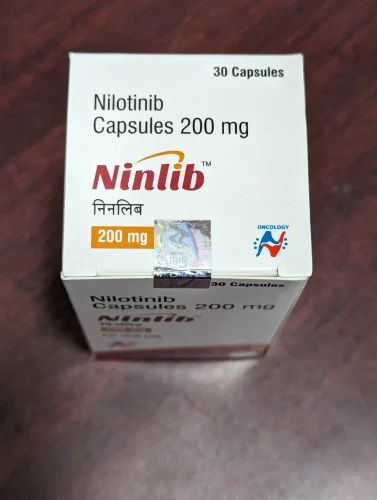
HOW NINLIB 200 MG CAPSULES HELP SLOW THE PROGRESSION OF LIVER FIBROSIS?

NINLIB 200 mg NILOTINIB, used to treat Philadelphia chromosome –positive chronic myeloid leukemia (ph+ CML) , a type of blood cancer . it belongs to a class of drugs called tyrosine kinase inhibitor that block abnormal signals in cancer cells to stop them from growing. It function as tyrosine kinase inhibitors that target pathways of fibroblast proliferation and extracellular matrix deposition.

WHAT ARE NINLIBNINLIB 2OONINLIB 2OO MG CAPSULES?

NINLIB 200 mg is classified as an antineoplastic agent and a targeted protein kinase inhibitor , specifically a tyrosine kinase inhibitor (TKI) derived from a benzamide chemical structure . it contains the active pharmaceutical ingredient Nilotinib and is used in cancer care.

Key classification:

  • Therapeutic class: Antineoplastic
  • Action class: Tyrosine kinase inhibitor (TKI)
  • Chemical class: Benzamide derivative
  • Active ingredient: Nilotinib (200 mg strength )
  • Mechanism of action: Disrupts the signaling route of the protein kinase enzyme which targets the BCR-ABL protein and inhibits the growth and spread of cancer cells .


WHAT ARE THE MEDICAL USES OF NINLIB 200 MG CAPSULE?

Medical uses of NINLIB 200 mg capsule are:

1)IODIOPATHIC PULMONARY FIBROSIS (IPF)

NINLIB 200 mg is a brand name associated with NINTEDANIB ,a tyrosine kinase inhibitor used to slow lung scarring in idiopathic pulmonary fibrosis (IPF) and progressive interstitial lung diseases. It works by blocking growth factor receptors that trigger tissue fibrosis.

  • Slows disease progression

NINLIB 200 mg , which may be sold under various brand names ,is an antifibrotic medication approved to slow disease progression in idiopathic pulmonary fibrosis (IPF). It works as an tyrosine kinase inhibitor that blocks growth factor receptors, which helps slow the progression of lung scarring. It does not reverse existing lung damage ,but it reduces the annual rate of decline in forced vital capacity .

  • Helps preserve lung function

NINLIB 200 mg helps preserve lung function by acting as an anti-fibrotic medication that slow the progression of lung tissue scarring . it is primarily prescribed for idiopathic pulmonary fibrosis (IPF) and progressive interstitial lung diseases (ILD). It function as a tyrosine kinase inhibitor ,blocking cell signals that trigger fibrosis and tissue thickening.


2)PROGRESSIVE PLUMONARY FIBROSIS (PPF)

NINLIB 200 mg is an anti-fibrotic medication used to help slow the worsening of lung scarring in progressive pulmonary fibrosis (PPF) . it works by blocking growth factor signals that cause lung tissue to scar, though it cannot repair existing damage. It slows down the yearly drop in lung function . it helps manage long-term disease progression under close specialist supervision.

  • Treatment of chronic fibrosing interstitial lung diseases

The approved medication for chronic fibrosing interstitial lung disease (ILD) with a progressive phenotype is Nintedanib , it is formulated to addresses progressive lung fibrosis and works differently than oncology-focused targeted therapies.

  • Reduces the decline in lung function

NINLIB 200 mg is an antifibrotic  used to reduce the decline in lung function medication for patients with progressive scarring lung diseases. It blocks specific tyrosine kinase receptors that signals tissue to scar , helping to cut the speed of lung function decline by about half.

3)SYTEMATIC SCLEROSIS –ASSOCIATED INTERSTITIAL LUNG DISEASES (SSC-ILD)

NINLIB 200 mg is an antifibrotic medication used to reduce the decline in lung function for patients with progressive scarring lung diseases. It blocks specific tyrosine kinase receptors that signal tissue to scar, helping to cut the speed of lung function decline by about half.

  • Helps manage lung fibrosis associated with systematic sclerosis

NINLIB 200 mg helps slows lung function decline in systemic sclerosis-associated interstitial lung disease .  though the standard approved dose used in clinical trails is 150 mg taken orally twice daily ,rather than 200 mg. it slows down the active lung scarring or fibrosis , but it does not reverse existing damage or treat other extra-plumonary manifestations of systematic sclerosis .


HOW NINLIB 200 MG CAPSULES WORK?

NINLIB 200 mg capsule contains the active medicine nilotinib, which is a tyrosine kinase inhibitor (TKI) used to treat a type of blood cancer called Philadelphia chromosome –positive chronic myeloid leukemia (ph+ CML). It works by blocking abnormal chemical signals ,stopping cancer cells from multiplying , and causing the death of those bad cells . it works by the following ways:

  • Mechanism of action of NINLIB

NINLIB 200 mg is a targeted cancer therapy belonging to the class of tyrosine kinase inhibitor .  it works by binding to and locking the BCR-ABL fusion protein in an inactive shape, blocking ATP binding, and stopping the uncontrolled multiplication of leukemia cells.


  • Inhibition of multiple tyrosine kinase receptors

NINLIB 200 mg is a targeted tyrosine kinase inhibitor (TKI) primarily used to treat Philadelphia chromosome-positive chronic myeloid leukemia (Ph+ CML) . it specifically blocks the abnormal BCR-ABL tyrosine kinase protein produced by the Philadelphia chromosome ,stopping cancerous white blood cells from multiplying.

  • Slowing of lung scarring progression

NINLIB 200 mg is an anti-fibrotic medication used to slow the worsening of lung scarring in conditions like idiopathic pulmonary fibrosis (IPF) and progressive interstitial lung diseases (ILD). It works by blocking specific cell signals that cause tissue scarring , thereby reducing the annual rate of decline in lung capacity. It acts by blocking receptors that cause fibroblast activation, proliferation, and migration which helps reduce lung tissue scarring and angiogenesis.


CONCLUSION

Preclinical studies suggest NINLIB 200 mg may reduce liver fibrosis progression by mitigating oxidative stress. However, as a targeted therapy ,it is not approved for liver disease and carries risks of severe liver injury.


FREQUENTLY ASKED QUESTIONS(FAQs):

QUESTION: WHAT ARE NINLIB 200 MG CAPSULES USED FOR?

NINLIB 200 mg is a prescription medicine used to treat Philadelphia chromosome –positive chronic myeloid leukemia (Ph+ CML) a type of blood cancer. It is prescribed for newly diagnosed patients and those who no longer respond to or cannot tolerate other treatments .

QUESTION: HOW DOES NINLIB WORK?

NINLIB is a targeted prescription medication containing nilotinib that treats a specific blood cancer called Philadelphia chromosome –positive chronic myeloid leukemia. It function as a tyrosine kinase inhibitor that blocks abnormal cellular signals and stops leukemia cells from multiplying.


QUESTION: CAN NINLIB 200 MG CAPSULES CURE PLUMONARY FIBROSIS?

No, NINLIB 200mg cannot cure pulmonary fibrosis. There is currently no definitive medical cure for pulmonary fibrosis, as existing scar tissue in the lungs cannot be reversed. However, depending on its specific active ingredient , NINLIB is used to manage the condition by slowing down disease progression.

REFRENCES:

1)https://www.macariushealth.com/products/oncology-cancer-care/ninlib-200mg-capsule/

2)https://drugcarts.com/product/ninlib-200mg-capsule?srsltid=AfmBOoqslFzpWXBQUbmWl12mxmE61_Fe-l21MVajEOrT3KKImdOPqVKg
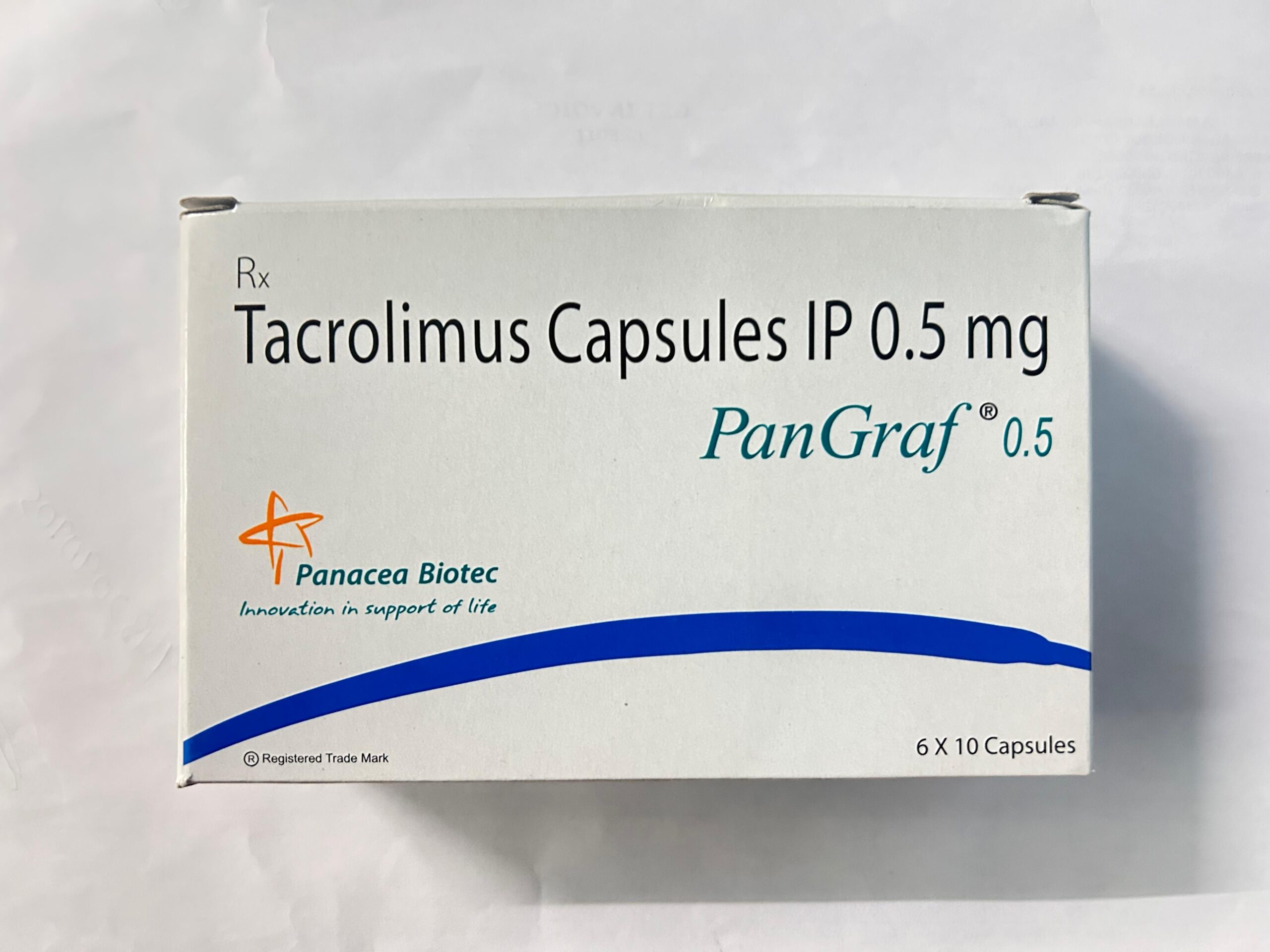
 

HOW PANAGRAF 0.5 MG HELPS PREVENT ORGAN REJECTION?

PANAGRAF 0.5 mg contains tacrolimus , an immunosuppressant drug used to prevent rejection after kidney, liver or heart transplants. It works by  lowering ones body’s immune response so it can accept the new organ. It is an immunosuppressant medication , used primarily to prevent rejection in kidney, liver or heart transplant patients by lowering the activity of the immune system . it prevents the body from attacking a newly transplanted organ.

WHAT ARE PANGRAF 0.5 MG CAPSULES?

PANGRAF 0.5 mg is classified as an immunosuppressant and specifically belongs to the class of medications known as calcineurin inhibitors. It contains the active ingredient tacrolimus and is used to lower the body’s immune response.

Key classification:

• Pharmacological class: immunosuppressant

• Chemical /Action class: calcineurin inhibitor.

• Active ingredient: Tacrolimus (0.5 mg)

• Primary use: prevention of organ rejection after kidney, liver or heart transplants.

• Role in suppressing the immune system: panagraf 0.5 mg contains tacrolimus , which suppresses the immune system to prevent organ transplant rejection. It blocks calcineurin to stop white blood cells called T-cells from activating and attacking a new organ.

WHAT ARE THE MEDICAL USES OF PANGRAF 0.5 MG CAPSULES?

Medical uses of pangraf 0.5mg are:

A) kidney Transplantation

PANGRAF 0.5 mg contains tacrolimus, an immunosuppressant used to prevent kidney transplant rejection. It works by calming the immune system so it does not attack the new kidney. The 0.5 mg strength helps with precise fine-tuning of the dose.

• Prevention of acute and chronic organ rejection

PANGRAF 0.5 mg contains tacrolimus, an immunosuppressant used to prevent acute and chronic organ rejection in patients with kidney, liver or heart transplants. It works by slowing down ones immune system so it does not attack the new organ.

• Long –term maintenance therapy

PANGRAF 0.5 mg contains tacrolimus , an immunosuppressant used in long-term maintenance therapy to prevent organ transplant rejection. It works by lowering the body’s immune system activity. Regular monitoring of tacrolimus blood levels is required to adjust the dose safely. It tracks the kidney and liver function.

B) Liver transplant

PANGRAF 0.5 mg capsule contains tacrolimus, an immunosuppressant used to prevent liver transplant rejection, manage immune response and lower complication risks. It contains Tacrolimus, which works by suppressing the activity of T and B lymphocytes . it stops the body from attacking the new liver.

• Prevention of liver transplant rejection

PANGRAF 0.5 mg capsule works by lowering the immune response so the body accepts the new organ. One must take under strict medical supervision with regular blood tests. The amount one must take and how often one depends on the type of transplant one have , the body weight and what other medicines one are taking.

• Supports for gut survival

PANGRAF 0.5 mg contains tacrolimus, an immunosuppressant medicine used to prevent rejection after organ transplant . it supports graft and tissue survival by calming the immune system. Sometimes it is utilized off-label or for severe autoimmune gut diseases when other therapies fail.

C) Heart Transplant

PANAGRAF 0.5 mg used to prevent heart transplant rejection by calming ones immune system. It lowers the body’s defense so it accept the new heart. For adult heart transplant patients, the recommended tacrolimus whole-blood through levels are typically highest immediately after the procedure and taper down the risk of acute rejection decreases.

• Prevention of rejection following heart transplantation

PANGRAF 0.5 mg is used to prevent organ rejection after heart transplant. It blocks the specific white blood cells from attacking the new heart.

• Used In combination with other immunosuppressive medicines

PANGRAF 0.5 mg contains tacrolimus and is used in combination with other anti-rejection medicines like corticosteroids and antimetabolites to prevent organ transplant rejection. Combining tacrolimus with drugs like mycophenolate mofetil, azathioprine or corticosteroids stops T-cells from working in different ways.

HOW PANGRAF 0.5 MG CAPSULE WORK?

PANGRAF 0.5 mg works in the following ways:

• Mechanism of action of Tacrolimus

Tacrolimus work by binding to an intracellular protein (FKBP-12) to form a complex that inhibits calcineurin. This blockage prevents the activation of key transcription factors (NFAT) , stopping the production of interleukin -2 (IL_2) and ultimately suppressing T-lymphocyte activation and the immune response.

• Inhibition of calcineurin activity

PANGRAF 0.5 mg contains tacrolimus, which inhibits calcineurin activity to suppress T- cell activation and prevent organ transplant rejection. It works by binding to an intracellular protein (FKBP-12) to block calcineurin phosphatase.

• Suppression of T-lymphocyte activation

PANGRAF 0.5 suppresses T-lymphocyte activation through calcineurin inhibition , primarily utilizing tacrolimus to prevent organ transplant rejection. It blocks immune response pathways by binding to intracellular proteins and stopping T-cell transcription .

• Protection of transplanted organs from immune attack

PANGRAF 0.5 mg contains tacrolimus, an immunosuppressant medication used to prevent rejection after kidney, heart or liver transplant . it works by lowering immune system activity, specifically inhibiting T and B lymphocytes ,so the body accepts the new organ. It works by weakening the immune system so it doesn’t attack the new organ.

WHAT ARE THE BENEFITS OF PANAGRAF 0.5 MG CAPSULES?

Benefits of PANAGRAF 0.5 mg capsules are :

1) Helps prevent organ rejection

PANAGRAF 0.5 mg is an immunosuppressant medication containing tacrolimus that prevents rejection after kidney, liver or heart transplants. It works by lowering immune system activity so the body accepts the new organ.

2) Supports long-term transplant success

PANAGRAF 0.5 mg supports long-term transplant success by preventing organ rejection . it uses tacrolimus to clam overactive immune cells, helping the body accepts a new kidney ,liver or heart.

3) Preserves transplanted organ function

PANGRAF 0.5 mg preserves transplanted organ function by suppressing the immune system, specifically inhibiting T-lymphocytes activation, and preventing white blood cells from attacking new tissue. It contains the active ingredient tacrolimus and is used following kidney, liver or heart transplants. This medicine may be used with steroids ,azathioprine ,basilliximab or mycophenolate mofetil.

4) Reduces immune-mediated damage

PANGRAF 0.5 reduces immune-mediated damage by acting as an immunosuppressant containing tacrolimus , which suppresses T-lymphocyte activity to prevent organ transplant rejection or severe autoimmune reactions. It lowers the body’s immune response so the white blood cells do not attack transplanted organ or healthy tissues.

CONCLUSION

PANGRAF 0.5 mg is a vital immunosuppressant medicine used primarily to prevent the rejection of kidney, heart or liver transplants. In short, it requires lifelong adherence, careful medical supervision and regular lab testing to balance immune supervision with the prevention of severe toxicity or infections.

FREQUENTLY ASKED QUESTIONS (FAQs):

QUESTION: WHAT IS PANGRAF 0.5 MG USED FOR?

PANGRAF 0.5 mg is an immunosuppressant medicine primarily used to prevent rejection of a newly transplanted organ, specifically kidney, liver or heart. It contains active ingredient tacrolimus and helps the body accept the donor organ by lowering the activity of the immune system.

QUESTION: HOW TACROLIMUS PREVENT ORGAN REJECTION?

Tacrolimus prevents organ rejection by suppressing the immune system ,specifically by blocking calcineurin, stopping white blood cells from growing and reducing chemical signals needed for an immune attack.

QUESTION: CAN PANGRAF 0.5 MG BE TAKEN WITH FOOD?

PANGRAF 0.5 mg should generally be taken on an empty stomach , either 1 hour before or 2 hours after a meal . taking it with food can change how the body absorbs the medicine, though consistency in how one take it vital.

REFRENCES:

1)https://www.1mg.com/drugs/pangraf-0.5-capsule-35968?wpsrc=Google+Organic+Search

2)https://www.apollopharmacy.in/medicine/pangraf-capsule-0-5-mg?srsltid=AfmBOoosEIw_GPR4Bgp6wbk69kIlqhOE17zRjKrtHMrby3F6eWAhCkeq

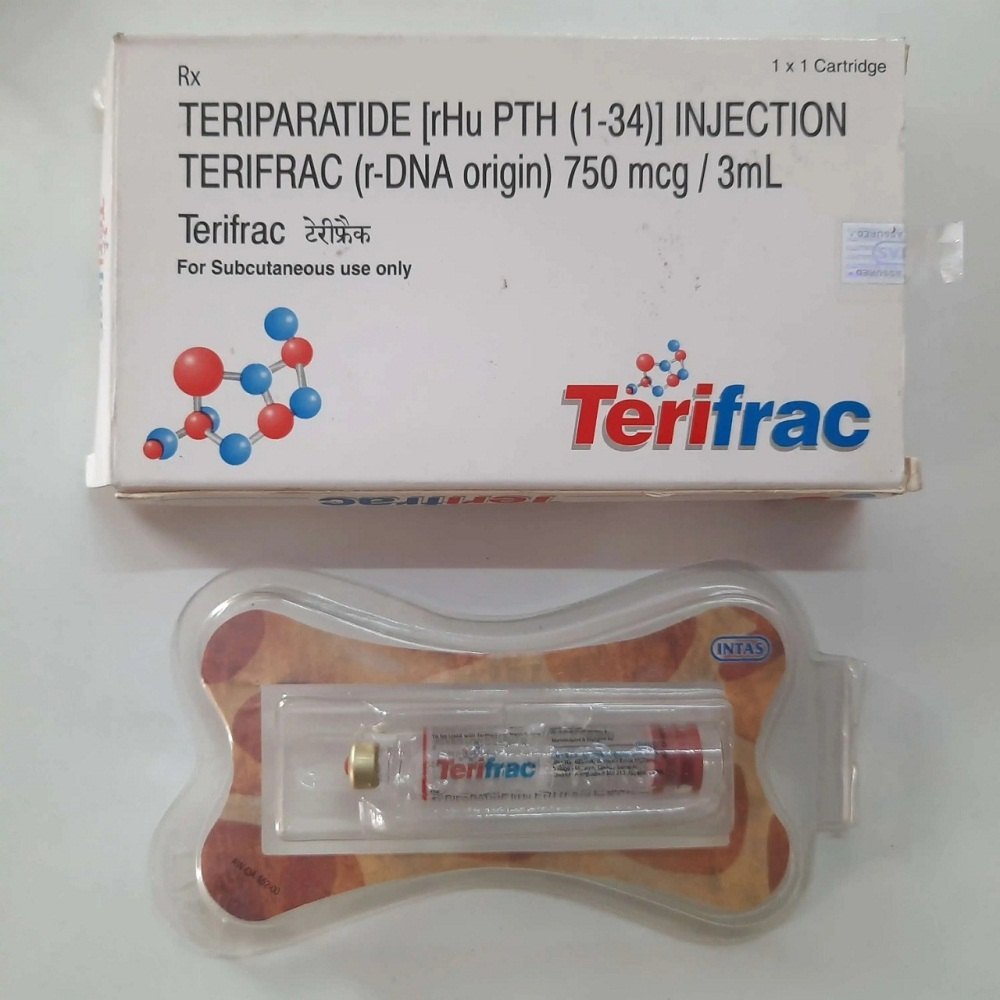
HOW TERIFRAC INJECTION HELPS BUILD STRONGER BONES ?


TERIFRAC injection is a prescription brand name medicine containing tripartite, a synthetic version of the natural human Parathyroid hormone.  It is used to build new bone mass, increase bone mineral density, and treat severe osteoporosis in men and postmenopausal women who face a high risk of bone fractures. It is a powerful anabolic agent crucial for treating severe osteoporosis and reducing fracture risk. It enhances overall bone mineral density and repairs internal bone geometry and strength. It is specifically prescribed for postmenopausal women , men with high fracture risk, and patient with glucocorticoid –induced osteoporosis .

WHAT IS TERIFRAC INJECTION?

TERIFRAC injection is classified as a recombinant human parathyroid hormone analog used to treat severe osteoporosis . it contains the active ingredient teriparatide , which is a synthetic version of the natural parathyroid hormone (PTH 1_34).

Key classification 

  • Drug class: parathyroid hormone analog/Bone formation stimulant .
  • Active ingredient: Teriparatide (rHu PTH (1-34)).
  • Mechanism of action: Anabolic agent that activates osteoblasts to build new bone mass.
  • Role in stimulating new bone formation: unlike most osteoporosis drugs that only stop bone loss. Terifrac acts as an anabolic agent, meaning it actively builds new bone tissue. It restores lost bone micro-architecture, increases bone mineral density (BMD) , and enhances overall strength , particularly in the spine and hip.

WHAT ARE THE MEDICAL USES OF TERIFRAC INJECTION?

Medical uses of TERIFRAC injection are:

1)Postmenopausal osteoporosis

Terifrac injection contains teriparatide, a synthetic parathyroid hormone used to treat severe postmenopausal osteoporosis by stimulating new bone formation. It actively increases bone mineral density, improves bone strength and lowers the risk of fractures. It act as an anabolic agent that turns on bone-forming cells . it is given as a daily shot under the skin usually in the thigh or belly. It is limited to maximum of 24 months over a person’s lifetime.


  • Treatment of severe osteoporosis in postmenopausal women

TERIFRAC injection is an anabolic bone-building treatment prescribed for severe osteoporosis in postmenopausal women at high risk for fractures. It works by actively stimulating new bone formation and increasing bone mineral density rather than just slowing down bone loss. It act as an anabolic agent , directly revving up osteoblast cells to build new skeletal mass and improve overall bone strength .

  • Reduction of vertebral and non-vertebral fracture risk

TERIFRAC injection reduces the risk of vertebral fractures by 65% to 66% and non-vertebral fractures by 37% to 53% compared to placebo. It works as a bone –building anabolic agent to treat severe osteoporosis .

  • Vertebral fracture risk

Decreased significantly by roughly 65%-66% in clinical evaluations.

  • Non-vertebral fracture risk

Reduced by 37% for all non –vertebral sites, and up to 53% -56% for low-energy fragility fractures.

2)Osteoporosis in men

TERIFRAC injection contains teriparatide, a synthetic parathyroid hormone used to treat severe osteoporosis in men by building new bone, increasing bone mineral density , and lowering fracture risk. It is typically prescribed for primary, hypogondal or steroid-induced osteoporosis in male patients.

  • Treatment of men at high risk of fractures

TERIFAC injection contains teriparatide , a synthetic parathyroid hormone used to treat men with primary , hypogonadal or glucocorticoid –induced osteoporosis who face a high risk of bone fractures . it actively builds new bone, increases bone mineral density and lowers the chance of broken bones .


  • Improvement in bone mineral density

TERIFRAC injection improves bone mineral density by using teriparatide, a synthetic parathyroid hormone that actively builds new bone tissue, stimulates bone-forming cells, and strengthens the skeleton. It targets osteoblast , which are the main cells responsible for creating new bone . it also encourages direct bone formation on inactive and active areas of the skeleton . it also raises overall bone density to lower the chance of breaks in the spine and hip .


3)Glucocorticoid –induced osteoporosis

TERIFRAC Injection is an anabolic (bone-building) therapy used to treat glucocorticoid –induced osteoporosis in patients at high risk for bone fractures . it actively stimulates new bone formation to reverse steroid –induced bone loss. The standard amount is 20 mcg given once a day . the treatment is typically limited to a maximum of 24 months over a patients lifetime, unless fracture risk remains very high .

  • Prevention and treatment of osteoporosis caused by long-term corticosteroid therapy

TERIFRAC injection medication used to treat glucocorticoid –induced osteoporosis in men and women at high risk of fractures . long-term corticosteroid therapy suppresses bone formation ,teriparatide counteracts this by actively stimulating new bone creation. It activates bone-forming cells that corticosteroids suppress ,directly building new bone tissue. It increases bone mineral density in the spine and hip, lowering fracture risk.


  • Reduction of fracture risk in high –risk patients

TERIFRAC Injection , containing teriparatide, actively builds new bone mineral density , significantly lowering the chance of broken bones in high-risk patients with severe osteoporosis or glucocorticod use. Unlike regular drugs that only stops bone loss , it directly stimulate  bone-forming cells to create fresh bone tissue. It also repairs bone micro architecture , making the spine and hip much stronger against fracture breaks.


HOW TERIFRAC INJECTION WORKS?

TERIFRAC injection works by acting as a synthetic version of the human parathyroid hormone , stimulating new bone formation , increasing bone mineral density, and improving bone strength .

It works by the following ways:

  • Mechanism of action of Teriparatide

Teriparatide in Terifrac injection works as an anabolic agent by intermittently stimulating osteoblasts, enhancing calcium reabsorption and activating bone formation. It binds to the PTH1 receptor ,a G protein –coupled receptor .Daily low dose injections provide brief , intermittent exposure that preferentially activates bone-forming cells much more than bone-resorbing cells. It increases creation of new bone matrix on both cancellous and cortical bone surfaces , improving overall bone mineral density and strength .

  • Stimulation of osteoblast activity

Intermittent daily doses of Terifrac injection stimulate bone-building osteoblasts much more than bone-clearing osteoclasts. This daily pulse briefly increases osteoclasts breakdown markers later on, but it leads to net gain in new bone growth .

  • Promotion of new bone formation

Terifrac injection promotes new bone formation by using teriparatide , a synthetic form of parathyroid hormone, which activates osteoblast cells to rebuild bone mass and strengthen . its direct activation increases bone mineral density and improves the structural architecture of the skeleton .


  • Improvement in bone strength and bone mineral density

Terifrac injection improves bone strength and bone mineral density by supplying a synthetic form of parathyroid hormone that activates bone-forming cells ,stimulates new tissue growth and repairs skeletal architecture . it is used to treat severe osteoporosis in men and postmenopausal women are at high risk of fractures according to 1 mg.


CONCLUSION

TERIFRAC injection effectively builds stronger bones by acting as an anabolic bone-mineral density and significantly reducing fracture risks. It stimulates osteoblast activity to form new bone mineral density and significantly reducing fracture risks. It stimulates osteoblast activity to form new bone faster than it is broken down .


FREQUENTLY ASKED QUESTIONS (FAQs)


QUESTION: WHAT IS TERIFRAC INJECTION USED FOR?

TERIFRAC injection is used to treat severe bone –weakening conditions like postmenopausal osteoporosis, male osteoporosis and steroid –induced bone loss. It contains teriparatide, a synthetic parathyroid hormone that builds new bone and lowers fracture risks.


QUESTION: HOW DOES TERIPARATIDE HELP BUILD NEW BONE  ?

TERAPARATIDE helps one bones by acting as an anabolic agent that stimulates bone formation ,increases bone mineral density and significantly reduces fracture risks. Unlike most treatments that only slow down bone loss, it actively stimulate the cells that build bone when given in a once –daily intermittent dose.

QUESTION: HOW LONG CAN TERIFRAC INJECTION BE USED?

TERIFRAC injection is typically used for a maximum period of 2 years in a patient lifetime . this limit helps lower the chance of unwanted side effects .

REFRENCES:

1)https://www.1mg.com/drugs/terifrac-injection-166996?wpsrc=Google+Organic+Search

 2)https://www.drugs.com/medical-answers/how-useful-and-side-effects-of-injection-terifrac-416209/


NINLIB 150 TABLETS FOR ADVANCED CANCER TREATMENT

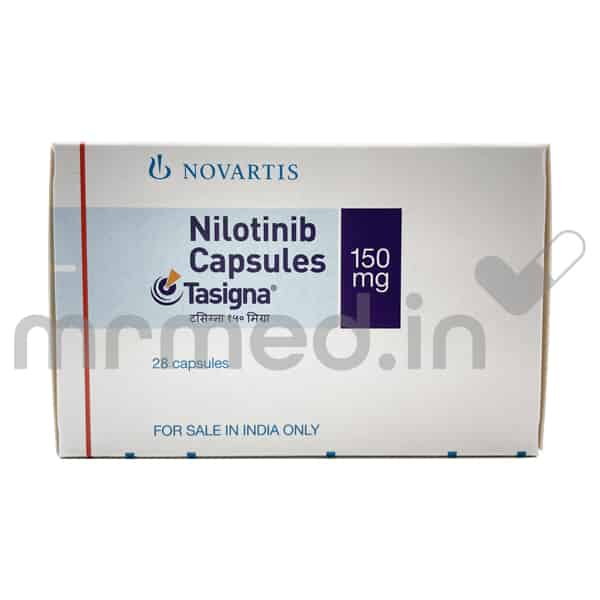
NINLIB 150 mg capsules contains Nilotinib and are prescription medicines used to treat Philadelphia chromosome –positive chronic myeloid leukemia (CML)  . They work by blocking abnormal proteins that can cause cancer cells to multiply .  it is an anti-cancer medication which is used to treat a specific type of blood cancer called Philadelphia  chromosome –positive chronic myeloid leukemia (ph.+ CML) ,and does not treat bacterial infections.


WHAT ARE NINLIB 150 TABLETS?

NINLIB 150 mg capsule is an anti-cancer medication . it works by blocking the action of the abnormal protein that signals cancer cells to multiply . This helps to stop or slow the spread of cancer cells. It is classified as antineoplastic agent , specifically a tyrosine kinase inhibitor (TKI) and a benzamide derivative.

key classification :

  • Therapeutic class: Antineoplastic (anti-cancer medication)
  • Action class: Tyrosine kinase inhibitor (TKI) –targets and blocks BCR-ABL proteins to stop abnormal cell growth .
  • Chemical class : Benzamide derivative
  • Active ingredient: Nilotinib
  • Role in slowing disease progression : it slows disease progression by acting as a targeted kinase inhibitor that blocks the abnormal BCR-ABL protein, stopping the multiplication of leukemia from advancing to more aggressive stages and helps achieve remission.

WHAT ARE THE MEDICAL USES OF NINLIB 150 TABLETS?

Medical uses of NINLIB 150 tablets are:

1) Idiopathic pulmonary fibrosis (IPF)

NINLIB 150mg is a targeted prescription medicine used to treat Idiopathic   pulmonary fibrosis (IPF) by slowing down the decline in lung function and reducing the buildup of scar tissue. It works as an tyrosine kinase inhibitor to block cell signals that trigger excessive fibrosis .


  • Slows the progression of lung fibrosis

NINLIB 150 works as a tyrosine kinase inhibitor that helps slow the progression of lung fibrosis .  It reduces the annual rate of decline  in lung function ,measured as forced vital capacity (FCV) , in patients  with conditions like idiopathic pulmonary fibrosis (IPF) and other progressive fibrosing interstitial lung diseases.


  • Helps preserve lung function

NINLIB 150 mg act as a tyrosine kinase inhibitor that slows lung scarring and reduces the rate of functional decline in progressive fibrosing lung diseases like idiopathic pulmonary fibrosis. It build up the star tissues in the lungs . It also helps preserve breathing capacity in chronic progressive fibrosing  conditions .


2)Progressive pulmonary fibrosis (PPF)

NINLIB 150 mg is a prescription anti-fibrotic medication containing   Nintedanib, used to treat progressive pulmonary fibrosis , idiopathic pulmonary fibrosis (IPF), and chronic fibrosing  interstitial lung diseases. It works by blocking specific enzymes called tyrosine kinase that trigger scarring and tissue damage in the lungs. It helps in preserving lung function by helps slows down the fast drop in breathing capacity over time. It does not cure the condition ,but stabilizes long-term outcomes for chronic lung diseases.

  • Management of chronic fibrosing interstitial lung diseases

NINLIB 150 mg capsule contains Nintedanib, a tyrosine kinase inhibitor used to slow the worsening of scarring in chronic fibrosing interstitial lung diseases. It helps reduce the buildup of fibrosis tissue in the lungs. It done so by blocks specific cell enzymes called tyrosine kinase that trigger scar tissue and lung damage. It is used for idiopathic pulmonary fibrosis (IPF) ,systematic sclerosis –associated interstitial lung disease and other chronic progressive fibrosing interstitial lung diseases.


  • Reduces the rate of lung function decline

NINLIB 150 slows lung function decline in conditions like idiopathic pulmonary fibrosis .  it is an antifibrotic medication that blocks tyrosine  kinase to reduces lung scarring and lung function decline in idiopathic pulmonary fibrosis (IPF) and progressive interstitial lung diseases.


3)Systematic sclerosis –associated interstitial lung Diseases (SSC-ILD)

NINLIB 150 mg taken twice daily is an antifibrotic medication used to slow the loss of lung function . it reduces the annual rate of lung capacity decline by targeting the cellular processes that cause lung scarring. It helps preserve breathing capacity by decreasing the yearly decline in forced vital capacity .


  • Helps slows the progression of lung environment

NINLIB 150 mg capsule used to slow the progression of chronic fibrosing interstitial lung diseases and idiopathic pulmonary fibrosis (IPF). It works by blocking specific enzymes that cause inflammation and scarring in the lungs. It reduces the speed at which lung function declines over time. It preserves remaining breathing capacity but cannot reverse existing lung damage.

  • Supports long-term respiratory health

NINLIB 150 mg supports long-term respiratory health by slowing down lung tissue scarring and reducing the rate of lung function decline. It is an oral anti-fibrotic medication used for chronic conditions like idiopathic pulmonary fibrosis (IPF). It stops specific enzyme that tell lung tissue to form scars. It also helps keep breathing capacity stable over a long period, even though it does not cure the underlying diseases.


HOW NINLIB 150 TABLETS WORK?

NINLIB 150 mg contains the active ingredient NILOTINIB , a targeted anti-cancer medication classified as a tyrosine kinase inhibitor (TKI) . it treats a specific type of blood cancer called Philadelphia chromosome-positive chronic myeloid leukemia (Ph+ CML) .

It works by the following ways:

  • Mechanism of action of Nintedanib

NINTEDANIB is a small molecule , multi-targeted tyrosine kinase inhibitor that blocks key growth factor receptors including FGFR, VEGFR, and PDGFR , preventing cellular signaling ,fibroblast proliferation , and new blood vessel formation.


  • Inhibition of multiple tyrosine kinase receptors

NINLIB 150 mg contains the active ingredient nilotinib, a  therapy that inhibits the BCR-ABL tyrosine kinase protein, as well as other receptors like PDGFR, KIT and DDR to treat chronic myeloid leukemia. It blocks the abnormal BCR-ABL tyrosine kinase produced by the Philadelphia chromosome.


  • Reduction of fibrotic tissue formation

NINLIB 150 mg contains nilotinib, a targeted cancer therapy primarily used for chronic myeloid leukemia (CML) and is not an established clinical treatment for reducing general fibrotic tissue formation. They are dedicated anti-fibrotic tyrosine kinase inhibitors used to reduce lung scarring in idiopathic pulmonary fibrosis. It is an antineoplastic agent for leukemia , not a standard antifibrotic for organ fibrosis management .


CONCLUSION

NINLIB 150 mg tablets are a targeted tyrosine kinase inhibitor therapy used for Philadelphia chromosome –positive chronic myeloid leukemia (CML). The core conditions regarding its role in advanced cancer treatment is that it serves as an effective ,specialized oral option for managing disease progression, achieving remission and treating cases resistant to prior therapies like Imatinib.

FREQUENTLY ASKED QUESTIONS (FAQs):

QUESTION: WHAT ARE NINLIB 150 MG TABLETS USED FOR?

NINLIB 150 mg tablets are used to treat Philadelphia chromosome –positive chronic myeloid leukemia (Ph+ CML) , a type of blood cancer, newly diagnosed cases, and cases resistant or intolerant to prior therapy like imatinib. It act as a targeted tyrosine kinase inhibitor (TKI) . it blocks the BCR_ ABL protein signal to stop abnormal white blood cell multiplication .


QUESTION : HOW DOES NINTEDANIB WORK?

NINTEDANIB is a multi-targeted tyrosine kinase inhibitor that slows lung scarring by blocking specific growth factors, stopping fibroblast cell growth and reducing vessel formation in damaged tissues.


QUESTION: CAN NINLIB 150 TABLETS CURE Pulmonary FIBROSIS ?

No, NINTIB 150 does not cure pulmonary fibrosis. Currently, there is no known cure for idiopathic pulmonary fibrosis (IPF). Instead, NINTIB 150 is a vital management therapy that helps slow down the progression of lung scarring and preserves existing lung function over time.

REFRENCES:

1) https://www.1mg.com/drugs/ninlib-150mg-capsule-931376?wpsrc=Google+Organic+Search

2)

2)https://m.indiamart.com/proddetail/nilotinib-ninlib-150-2856013405691.html

MOFELITS-360 FOR EFFECTIVE POST TRANSPLANT MANAGEMENT

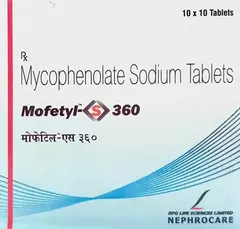
Mycophenolate mofelit is a prescription immunosuppressant that prevents the body from rejecting transplanted organs . it is also widely prescribed off –label to treat severe autoimmune diseases by dampening overactive immune response . mycophenolate mofelit is a powerful immunosuppressant . By preventing the proliferation of T and B lymphocytes , it dampens the body’s immune system . it is prescribed to prevent organ transplant rejection and to treat severe autoimmune conditions like lupus.

WHAT ARE MOFELIT – S 360 TABLETS?

Mofetil-360 are classified as immunosuppressant and inosine monophosphate dehydrogenase (IMPDH) inhibitors. They contain 360 mg of mycophenolate sodium and are primarily used to prevent the body from rejecting a transplanted organ.

Key classification :

  • Pharmacological class: immunosuppressive agent
  • Chemical/Enzymatic class: ionsine monophosphate dehydrogenase (IMPDH) inhibitor.

• Active ingredient : mycophenolate sodium (360 mg)

• Mechanism of action:

1) Enzyme blockage: inhibits IMPDH, an enzyme required for the proliferation of T and B lymphocytes.

2) Immune suppression : reduces the multiplication of white blood cells that identify and attack a new organ.

WHAT ARE THE MEDICAL USES OF MOFELIT- S 360 TABLETS?

Medical uses of MOFETIL S 360 tablets are:

A) Kidney transplant

Mofetil _S 360 is an immunosuppressive medication containing mycophenolate sodium. It is used after a kidney transplant to prevent the body from rejecting the new organ by lowering immune system activity. It works in the following ways:

• Prevention of acute organ rejection

Mofetil –S 360 contains mycophenolate sodium and works as an immunosuppressant to prevent the body from rejecting a transplanted organ such as a kidney, heart or liver. It slows down white blood cells so ones immune system does not attack the new organ.

• Long-term maintenance therapy after kidney transplantation

Motilal 360 is an immunosuppressant used in long-term maintenance therapy to prevent organ transplant rejection and manage chronic autoimmune conditions like lupus nephritis . It works by suppressing the body’s immune system to protect transplanted organs or stop inflammatory flares.

B) Other organ transplants

MOFETIL-S 360 is an immunosuppressant medication used alongside other drugs to prevent the body from rejecting a transplanted organ . Beyond kidney transplants , it is also used in heart and liver transplants.

1) Heart transplant

It stops the body from fighting new heart and helps manage chronic graft vessel changes.

2) Liver transplant

Controls immune response to protect the new liver tissue.

3) Lung transplant

Sometimes used off-label or protocols to treat chronic rejection and graft vasculopathy.

• Combination therapy with other immunosuppressive medications

MOFETIL-S 360 is an immunosuppressant used in combination with calcineurin Inhibitors and corticosteroids to prevent organ rejection after a kidney transplant.

Combination regimes

• Calcineurin inhibitors

Combined with cyclosporine or tacrolimus to block T-cell activation through different pathways

• Corticosteroids

Used alongside baseline steroid tapers to provide broad initial and maintenance anti-inflammatory control .

• Induction Agents

May be paired post-transplant with biologic agents like basiiximab or antithymocyte globulin.

C) Selected Autoimmune Disorders

MOFETIL-S 360 is an immunosuppressant medication used off –label to treat autoimmune disorders like lupus nephritis, rheumatoid arthritis and vasculitis by suppressing overactive T and B lymphocytes.

• Specialist –directed use in certain immune-mediated conditions

MOFETIL-S360 is an immunosuppressant medication . while primarily approved to prevent organ transplant rejection, specialist use it off-label to control severe, immune-mediated inflammatory and autoimmune conditions .

• Immune system regulation

MOFETIL-S 360 is an immunosuppressant medication that regulates the immune system by suppressing T and B lymphocytes , preventing organ rejection after transplants .

HOW MOFETIL-S 360 TABLETS WORK?

MOFETIL-S 360 tablet is an immunosuppressant medicine that prevents the body from rejecting a transplanted organ like a kidney, heart or liver . it works by converting into mycophenolic acid, blocking a key enzyme to stop white blood cells called lymphocytes from multiplying ,which lowers the immune response .

IT Works by the following ways:

• Mechanism of action of mycophenolate sodium

Mycophenolate sodium acts by releasing mycophenolic acid (MPA) ,which reversibly inhibits inosine monophosphate dehydrogenase (IMPDH) .because lymphocytes heavily relay on de nevo purine synthesis to divide , this blockade selectively halts their proliferation and function, suppressing the immune system to prevent transplant rejection and autoimmune flare-ups.

• inhibition of lymphocyte proliferation

Mycophenolate sodium inhibit lymphocyte proliferation by blocking the enzyme (IMPDH),which stops T and B cells from making the DNA building blocks they need to grow and multiply.

How the process works?

• Active form: The body turns mycophenolate sodium into mycophenolic acid (MPA) , which does the actual work.

• Blocking the Enzyme : MPA targets and blocks an enzyme named inosine monophosphate dehydrogenase (IMPDH).

• Starving DNA synthesis: unlike other cells, activated T and B lymphocytes rely heavily on this specific pathway to build new nucleotides for DNA . Without it, they cannot divide.

• Suppression of the immune response

Mycophenolate is a powerful immunosuppressant medication . it works by weakening the body’s immune system , primarily by stopping the proliferation of white blood cells called T _cells and B_cells. It is prescribed for two main purposes :

1. Preventing organ rejection

It is used alongside other medicines to prevent the body from attacking a newly transplanted kidney, liver or heart.

2. Treating autoimmune diseases

Because it dials down an overactive immune system ,it is frequently used to treat conditions like lupus, rheumatoid arthritis and inflammatory bowel diseases.

• Protection of transplanted organ from rejection

Mycophenolate sodium is a prescription medication to prevent rejection in people who have received a kidney, heart or liver transplant . Rejection is when the body’s immune system perceives the new organ as a ‘’foreign ‘’ threat and attacks it.

WHAT ARE THE BENEFITS OF MOFETIL-S 360 TABLETS?

Benefits of mofetil –S 360 tablets are:

1) Helps prevent transplant rejection

2) Supports long-term graft survival

3) Enteric-coated formulation may improve gastrointestinal tolerability

4) Effective when used with other immunosuppressive medications.

CONCLUSION

MOFETIL -360 is an immunosuppressant medication used to prevent organ rejection after a transplant. It works by weakening the immune system , requires strict compliance and carries risk of infection. Its core purpose is to prevent rejection of kidney ,heart or liver transplant by suppressing T and B lymphocytes . it also increases vulnerability to severe infections ,certain cancers and severe birth defects if taken during pregnancy. It also demands lifelong adherence as directed by doctor ,alongside regular blood monitoring.

  FREQUENTLY ASKED QUESTIONS (FAQs)

QUESTION: WHAT ARE MOFELIT S 360 TABLETS USED FOR?

Mofelit –s 360 is an immunosuppressant medication used to prevent the body from rejecting a transplanted organ such as kidney, heart or liver. It contains mycophenolate sodium, which weakness the immune system so it does not attack the new organ.

QUESTION: HOW DOES MYCOPHENOLATE SODIUM PREVENT ORGAN REJECTION?

Mycophenolate prevents sodium rejection by selectively blocking an essential enzyme that white blood cells called T and B lymphocytes need to grow and multiply. This targeted suppression weakness the immune response so it does not attack the new organ.

REFRENCES:

1)https://www.mayoclinic.org/drugs-supplements/mycophenolate-mofetil-oral-route/description/drg-20073191

2)https://www.1mg.com/generics/mycophenolate-mofetil-210314?wpsrc=Google+Organic+Search

HOW NODOSIS-GST 10 TABLETS HELP RESTORE ACID -BASE BALANCE?

NODOSIS –GST 10 tablets is a prescription and over-the counter medicine containing sodium  10 tablets, used as an alkaline agent to neutralize excess acid in the stomach ,blood or urine. It is used as an antacid that helps in neutralizing stomach acid during indigestion and heartburn. It works by increasing the PH of the blood and urine , which corrects metabolic acidosis.

WHAT IS NODOSIS –GST 10 TABLETS?

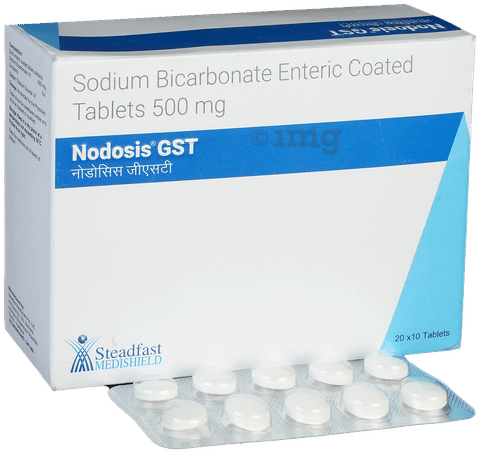
NODOSIS –GST 10 tablets are classified as an antacid systematic alkalinizing agent containg sodium bicarbonate (500 mg) as active ingredient per tablet.

Key classification:

• Pharmacological class: Antacid, systematic alkalinizes and electrolyte replacement .

• Active ingredient: sodium Bicarbonate

• Chemical class: sodium salts/alkalinizing agents

• Mechanism of action: NODOSIS GST tablet works primarily by providing a source of bicarbonate ions to the body. ‘’Buffers excess hydrogen ion concentration ,raises blood PH and reverse the clinical manifestation of acidosis. CO2 and water by products from the neutralization reaction are safely eliminated through kidneys and lungs.

WHAT ARE THE MEDICAL USES OF NODOSIS –GST 10 TABLETS?

Medical uses of NODOSIS-GST 10 tablets are:

A) Metabolic Acidosis

Metabolic Acidosis occurs when the body accumulates too much acid or loses too much base ,leading to a disrupted PH levels. NODOSIS GST tablet act as a buffer that helps neutralize excess acid and restore a healthier pH level. Certain drugs can induce metabolic acidosis by increasing lactic acid ,impairing renal bicarbonate toxic acid precursors. Commonly implicated medications include metformin, acetazolamide, linezolid , salicylates and propofol . it performs following functions :

• Correction of excess acid levels in the blood

NODOSIS –GST tablets corrects excess acid levels in the blood and body by supplying sodium bicarbonate, which act as an alkaline buffer to neutralize hydrogen ions ,raise blood PH, and restore a healthy metabolic acid-base balance.

• Restoration of normal acid-base balance

NODOSIS –GST restores normal acid-base balance by providing sodium bicarbonate , which act as a chemical buffer to neutralize excess hydrogen ions and raise blood and urine PH.

B) Chronic kidney Disease

NODOSIS-GST contains enteric-coated sodium bicarbonate (500 mg) and is used in chronic kidney disease (CKD) to manage metabolic acidosis, neutralize blood acid , and protect renal function. it act as an alkalinizing agent that neutralizes excess acid and restores the body’s normal PH balance . correcting acid build up helps prevent serious complications like bone loss and muscle wasting.

• Management of metabolic acidosis associated with CKD

NODOSIS –GST contains enteric-coated sodium bicarbonate , which act as oral alkalinizing agent to neutralize excess acid, raise blood PH and manage chronic metabolic acidosis in patients with chronic kidney disease (CKD). It provides bicarbonate ions to buffer excess hydrogen ions in the body. It also used in restoring normal serum bicarbonate which helps reduce bone breakdown , muscle loss and the fast worsening of kidney damage.

• Support for kidney function and slowing disease progression

NODOSIS 500 mg contains sodium bicarbonate and is used in chronic kidney disease to treat metabolic acidosis, buffer excess acid , and help slow disease progression. It does not directly fix the kidneys , but balancing body PH reduces stress on the renal system.

C) Renal Tubular Acidosis

NODOSIS 500 mg contains sodium bicarbonate and helps treat renal tubular acidosis by neutralizing extra acid and raising blood and urine PH. It restores one’s body normal chemical balance. Renal tubular acidosis may be permanent ,inherited disorder in children . however, it may be an intermittent problem in people who have other disorders ,such as diabetes mellitus ,sickle cell disease or an autoimmune disorder .

• Treatment of acid –base imbalance due to kidney disorders

NODOSIS 500 contains sodium bicarbonate and treats metabolic acidosis by neutralizing excess acid and raising blood PH. It act as a buffer to soak up extra hydrogen ions in the blood. It also raises systematic and urinary PH levels back toward normal ranges.

• Long-term maintenance therapy

NODOSIS 500 is used in long-term maintenance therapy primarily for chronic metabolic acidosis and specific kidney or urinary conditions, but it requires strict medical supervision . self-treating routine heartburn with high –sodium tablet for more than two weeks is unsafe. It prevents certain types of recurrent kidney stones and helps excrete specific toxins over time.

HOW NODOSIS –GST 10 TABLETS WORK?

NODOSIS-GST 10 works by neutralizing excess acid and balancing the body’s PH levels. It primarily work providing source of bicarbonate ions to the body. It neutralizes the acidity in stomach , providing relief from the discomfort of acid reflux or heartburn. It can help temporarily increase the PH of the blood, making it less acidic.

• Mechanism of action of sodium Bicarbonate

Sodium Bicarbonate acts as an systemic and gastric alkalinizing agent. It dissociate to provide bicarbonate (HCO3_) ions, which neutralize excess hydrogen ions (H+) , buffer the body’s PH, and convert to water and carbon dioxide . it’s specific role includes treating metabolic acidosis, neutralizing stomach acid, and enhancing the excretion of acidic toxins.

• Restoration of normal blood PH

NODOSIS –GST 10 restores normal blood PH by acting as an systematic alkalinizing agent. It neutralizes excess hydrogen ions in metabolic acidosis, increases plasma bicarbonate levels , and balances acid-base levels.

• Support for metabolic balance and kidney health

NODOSIS –GST tablet contains sodium bicarbonate ,acting as a systematic alkalinizer and antacid. It supports metabolic balance and kidney health by neutralizing excess acid in the blood and urine, managing metabolic acidosis , and helping prevent specific types of kidney stones.

CONCLUSION

NODOSIS-GST 10, containing sodium bicarbonate ,act as a rapid short term antacid and systematic alkalizer to relieve heartburn and digestion. Due to risk of high sodium intake and potential metabolic issues, its use should be limited and supervised for chronic conditions .

FREQUENTLY ASKED QUESTION (FAQs)

QUESTION: WHAT ARE NODOSIS-GST 10 TABLETS USED FOR?

NODOSIS –GST tablet is used to treat acid indigestion , heartburn , and metabolic acidosis. It works as an antacid and alkanizing agent to neutralize excess acids in the stomach , blood or urine. It neutralize stomach acid to soothe heartburn , sour stomach and acid indigestion.

QUESTION: HOW DO THESE TABLETS HELP TREAT METABOLIC ACIDOSIS?

NODOSIS-GST treats metabolic acidosis by supplying sodium bicarbonate ,which acts as an alkalinizing agent to neutralize excess hydrogen ions ,raise blood and urine PH , and restores the body’s normal acid-base balance.

QUESTION: CAN NODOSIS-GST 10 TABLETS BE USED IN CHRONIC KIDNEY DISEASE?

Yes, NODOSIS-GST can be used in chronic kidney disease (CKD) to manage metabolic acidosis, maintain normal blood PH, and prevent bone or muscle loss. However , it must be used under strict medical supervision because it adds sodium load and can cause fluid retention .

REFRENCES:

1)https://m.indiamart.com/proddetail/nodosis-gst-sodium-bicarbonate-tablet-500-mg-24764794973.html

2)https://www.apollopharmacy.in/medicine-substitute/nodosis-gst-ds-tablet-10-s?srsltid=AfmBOoqJf-EBOvYkzc-TC4xUCS1UNbDotkW_XqNt0y1XtAMCim6KkX01

HOW NEUKINE 300 MCG HELPS INCREASE WHITE BLOOD COUNTS?


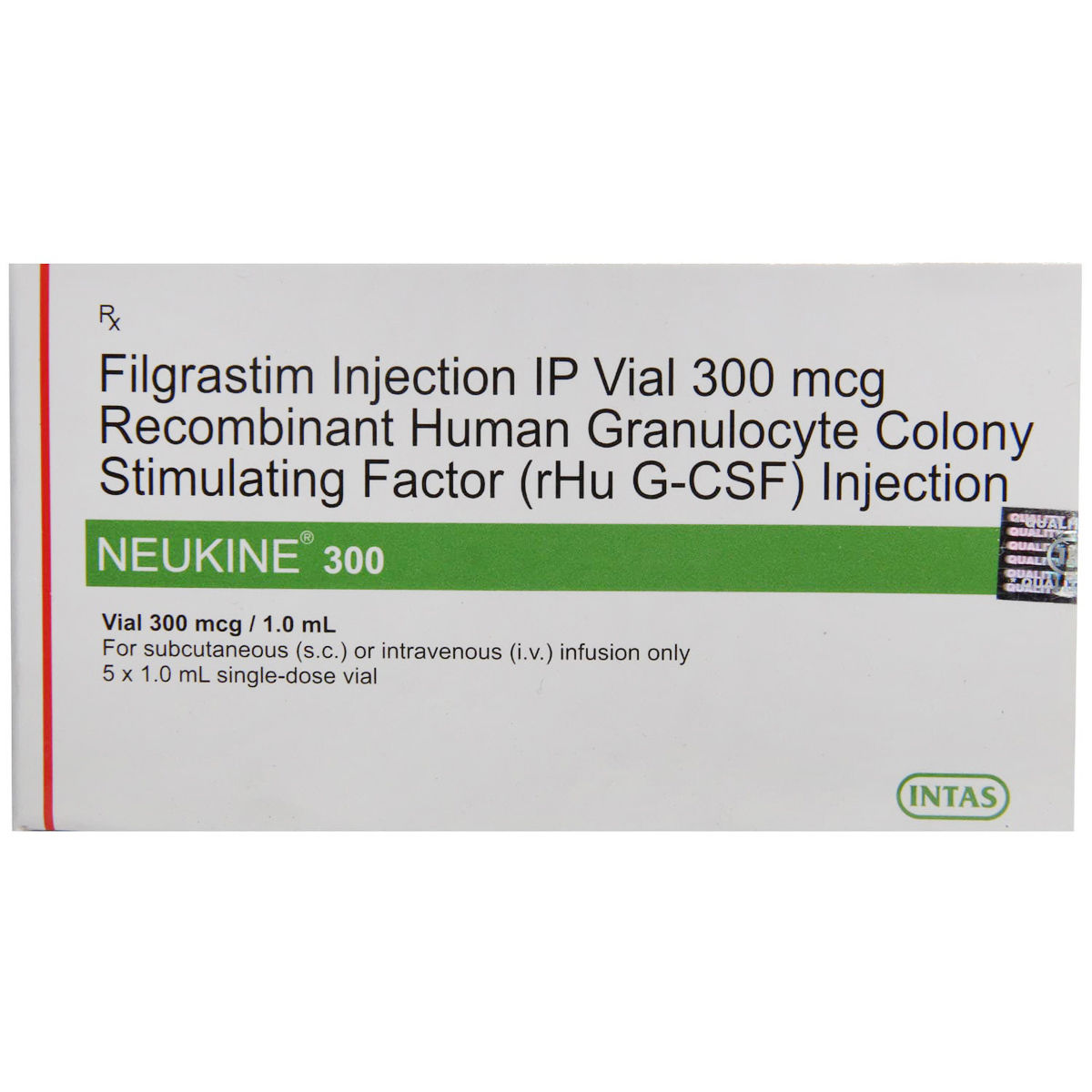
NEUKINE 300 mcg is a prescription –only , injectable medication containing Filgrastim , a man-made version of a natural body protein called Granulocyte colony-stimulating factor (G-CSF). It stimulates the bone marrow to produce infection-fighting white blood cells (especially neutrophils ). It is primarily prescribed to prevent or treat neutropenia  . it prevents infections by stimulating the bone marrow to quickly produce more infection-fighting white blood cells, specifically neutrophils. It is primarily prescribed for patients undergoing chemotherapy,COMPREHENSIVE GUIDE TO CHEMOTHERAPY AND CANCER CARE receiving bone marrow transplant or managing severe chronic neutropenia.


WHAT IS NEUKINE 300 MCG PFS?

NEUKINE   300 mcg is a prescription injectable medication that stimulates the bone marrow to produce infection –fighting white blood cells (neutrophils). It is primarily used to manage neutropenia caused by chemotherapy ,  bone marrow transplants or HIV.

Key classification:

  • Active ingredient : Filgrastim
  • Strength: Each 1ml or pre-filled syringe (PFS) contains 300 mcg of filgrastim.
  • Formulation Type: sterile, clear, colorless aqueous solution for intravenous (IV) or subcutaneous (SC) injection.
  • Role in stimulating white blood cell production: the primary role of NEUKINE 300 mcg is to act as a biological signal that binds to stem cells in the  bone marrow  , triggering them to rapidly grow ,mature and multiply into infection-fighting white blood cells ,specifically neutrophils . Doctors prescribe NEUKINE to protect patients with compromised immune system by lowering the risk of severe infections.


WHAT ARE THE MEDICAL USES OF NEUKINE 300 MCG PFS?

Medical uses of NEUKINE 300 MCG PFS are:

  1. Chemotherapy –induced neutropenia

NEUKINE 300 mcg is a man-made granulocyte colony-stimulating factor (G-CSF) used to prevent severe infection and febrile neutropenia during chemotherapy . chemotherapy frequently destroys rapidly dividing cells , which inadvertently includes the infection-fighting white blood cells produced in the bone marrow. It performs following roles:

  • Reduces the duration and severity of neutropenia

NEUKINE 300 mcg is a granulocyte colony-stimulating factor (G-CSF). By signaling the bone marrow to rapidly produce and release white blood cells , it drastically reduces the duration and severity of neutropenia , thereby preventing severe infections. It shorten the time the bone marrow needs to recover white blood cell count following myelosuppressive chemotherapy or bone marrow transplantation. It also allows critical cancer treatments and chemotherapy cycles to stay on schedule by preventing treatment delays due to low immunity.


  • Lowers the risk of serious infections

NEUKRINE 300 mcg stimulates the bone marrow to produce infection –fighting white blood cells, specifically neutrophils. It is widely used to prevent severe infections and febrile neutropenia in patients with compromised immune system , such as those undergoing chemotherapy or bone marrow transplant.


  • Bone marrow or stem cell transplantation

NEUKRINE 300 mcg injection stimulates bone marrow to produce infection –fighting white blood cells . In bone marrow or stem cell transplantation, it accelerates white blood cell recovery, significantly shortening the period of immune vulnerability and reducing the risk of life-threatening infections.


  • Promotes recovery of white blood cell count

NEUKRINE 300 mcg is primarily used to support immune recovery ,  prevent severe infections during chemotherapy , and manage neutropenia (abnormally low white blood cell count). By accelerating the recovery of white blood cell count   following treatments like chemotherapy or bone-marrow transplants ,it helps prevent life-threatening infection complications . it also prevent chemotherapy treatment delays by ensuring a patient immunity recovers in time for their next cycle.


  • Support immune system recovery after transplantation

NEUKRINE 300 mcg supports immune system recovery after transplantation by stimulating the bone marrow to rapidly produce white blood cells , specifically neutrophils . This greatly reduces the duration of neutropenia and lowers the risk of life-threatening infections. It is also administered after the procedure to speed up bone marrow recovery and rebuild the body’s   immune defenses.


2)Severe chronic neutropenia

NEUKRINE 300 mcg injection is a synthetic protein that stimulate the bone marrow to produce more neutrophils . in severe chronic neutropenia (SCN), it is used as a long-term daily therapy to increase absolute neutrophil count (ANC) and significantly reduce the frequency and severity of bacterial infection. Regular CBC with differential must be monitored frequently to evaluate one  response and prevent the overproduction of white blood cells.

  • Treatment of congenital ,cyclic and idiopathic neutropenia

NEUKRINE 300 mcg is primarily used to manage severe chronic neutropenia (SCN) , significantly reducing the risk and severity of bacterial and fungal infections. Chronic ,Daily administration is generally required to maintain clinical benefit and adequate neutrophil level. Regular complete blood count (CBC) and ANC test are essential to guide dose adjustments .


  • Long –term management under specialist supervision

NEUKRINE 300 mcg is a prescription medicine that stimulates the bone marrow to produce white blood cells, lowering the risk of infection .  for long-term management of conditions like severe chronic neutropenia, it requires strict specialist supervision to monitor white blood cell count and prevent complications .


3)Peripheral blood stem cell mobilization

NEUKRINE 300 mcg is used to stimulate the bone marrow to produce white blood cells. For peripheral blood cell mobilization, it is administered to boost stem cell count so they can be collected from the bloodstream for transplantation.


  • Increases stem cells in the bloodstream before collection for transplantation

NEUKRINE 300 mcg is used for stem cell mobilization . it stimulates the bone marrow to release heamatopoietic stem cells into the bloodstream so they can be easily harvested via apheresis before an autologous transplant .


WHAT ARE THE BENEFITS OF NEUKINE 300 MCG PFS?

Benefits of NEUKINE 300 mcg PFS are:

1  ) increases Neutrophil  count


Neukrine 300 mcg injection contains filgrastim, a man-made protein used to stimulate the bone marrow white blood cells , specially neutrophils. Filgrastim  mimics naturally occurring human granulocyte colony-stimulating factor (G-CSF) . it works by :

  • Binding to receptors on the surface of bone marrow progenitor cells to promote their survival , proliferation and differentiation into mature neutrophils.
  • Speeding up the recovery of neutrophil counts following treatments like chemotherapy , which normally suppresses the immune system.
  • Mobilizing hematopoietic stem cells from the bone marrow into the blood stream so they can be collected for transplantation procedures.

2) Reduces the risk of infection

NEUKINE 300 mcg significantly reduces the risk of serious infections and fever in patients undergoing chemotherapy , bone marrow transplants or dealing with severe chronic neutropenia. It acts like a natural protein in the body, known as granulocyte colony-stimulating factor (G-CSF). It works by:

  • Stimulating the bone marrow to rapidly produce and release healthy white blood cells (neutrophils ) directly into the bloodstream.
  • Shortening the duration of neutropenia
  • Lessening the severity and duration of fever associated with low white blood cells levels .


3) speeds recovery after bone marrow transplantation

NEUKRINE 300 mcg is a crucial medication used post-bone marrow transplantation to accelerate recovery .  by mimicking the natural protein, it rapidly stimulate the bone marrow to produce white blood cells , which rebuilds the immune system and drastically reduces the risk of life-threatening infections.


CONCLUSION

NEUKINE 300 stimulates the bone marrow to rapidly produce and release neutrophils into the bloodstream. In order to promote the development ,maturation and discharge of neutrophils into the bloodstream. It binds to specific receptors on stem cells in the bone marrow, signaling them to grow, mature and multiply into active white blood cells called neutrophils. By maintaining healthy white blood cells levels, it helps patients avoid immune –related delays in their cancer treatment allows cancer patients to continue chemotherapy without delays caused by low immunity .


FREQUENTLY ASKED QUESTIONS (FAQs)

QUESTION: WHAT IS NEUKINE 300 MCG USED FOR?

NEUKINE 300 mcg contains filgrastm, a synthetic form of a natural protein . It stimulate the bone marrow to produce white blood cells to help the body fight bacterial infections. It is primarily used for : chemotherapy –induced neutropenia, bone marrow/stem cell transplants , stem cell mobilization ,chronic neutropenia and HIV Aids .

QUESTION: HOW DOES FILGRASTISM WORKS?

Filgratism is a synthetic , man-made version of the naturally occurring human protein . it act as a biological booster shot that tells once bone marrow to quickly produce , mature and release more infection –fighting white blood cells ,specifically neutrophils.


QUESTION: WHY ARE REGULAR BLOOD TEST NECCESARY DURING TREATMENT?

Regular blood test are essential during NEUKINE (filgrastim) treatment to safely monitor the WBC and neutrophil count . this ensures the medication is working properly and ones immune system is recovering .

REFRENCES:

1)https://www.accessdata.fda.gov/drugsatfda_docs/label/2015/103353s5183lbl.pdf

2)https://www.medkart.in/order-medicine/neukine-300mcg-injection-vial-1-ml?srsltid=AfmBOooxJswKZevXgy-5taXZ9bklDW16kbrkW63VJzXkoTO2mkLQ4ao4


K-BIND SACHET 1,S : IMPORTANT INFORMATION FOR PATIENTS WITH KIDNEY -DISEASE

k-Bind (calcium polystyrene sulphonate) sachets treat hyperkalemia (high blood potassium levels) . The 15g powder binds to excess potassium in the Intestines , allowing the body to safely pass it out in the stool. Mix the contents of the sachet with water before consuming. K_ Bind powder contains calcium polystyrene sulphonate , an ion-exchange resin used to treat hyperkalemia . it works by exchanging calcium ions for potassium ions in the gut ,binding excess potassium so it can be safely eliminated through stool, preventing it  from entering the bloodstream.


WHAT IS K-BIND SACHET 1,S ?

k-Bind 15g sachet is an ion-exchange resin and a potassium –binding medication . it is primarily classified as an antidote for hyperkalemia .

key classification:

  • Composition and sachet formulation
  • Active ingredient : Each sachet typically contains 15g of calcium polystyrene sulfonate ,though 5g sachets are also available for pediatric use or lighter maintenance doses.
  • Mechanism of action: once ingested , the calcium polystyrene sulfonate remains in the gastrointestinal tract. The resin exchanges its calcium ions for potassium ions. It traps the potassium securely in the intestine and prevents it from being absorbed into the bloodstream. The bound potassium is then safely excreted through bowel movements.


WHAT ARE THE MEDICAL USES OF K-BIND SACHET 1,S?

Medical uses of K-Bind sachet 1,s are:

1)HYPERKALEMIA

k-Bind (calcium polystyrene sulfonate ) is an ion-exchange resin used to treat hyperkalemia (elevated blood potassium levels) . it works in the large intestine by exchanging calcium ions for excess potassium ions , which are safely excreted from the body via stool.  It is used in:

  • Treatment of elevated blood potassium levels

k-Bind (calcium polystyrene sulfonate) is a medication used to treat elevated blood potassium levels (hyperkalemia). It works in the gastrointestinal tract binding to excess potassium and removing it from the body through stool. It is commonly prescribed for patients with chronic kidney disease or those on dialysis .


  • Prevention of complications associated with hyperkalemi

K-Bind (calcium polystyrene sulphonate) prevents and treats hyperkalemia by acting as an ion-exchange resin. When ingested, it releases calcium and binds to excess potassium ions in the large intestine .  The bound potassium is then safely excreted from the body via the feces, actively lowering blood potassium levels. It is typically prescribed for patients at ongoing risk of high potassium , such as those with chronic kidney disease (CKD) or heart failure. It allows these patients to safely continue taking essential medications like ACE inhibitors or ARBs, which are known to increase potassium levels.


2)CHRONIC KIDNEY DISEASE (CKD)

K-Bind is an oral medication used to treat chronic hyperkalemia in patients with chronic kidney disease (CKD) ,particularly those on dialysis. It works by exchanging calcium for potassium ions in the gastrointestinal tract ,allowing excess potassium to be safely excreted in the stool rather than absorbed into the bloodstream. It is used in:

  • Management of potassium levels in CKD patients

Potassium- binding agents (K-binders) work by trapping potassium in the gastrointestinal tract and excreting it via faces, preventing absorption into the bloodstream. They are crucial for managing chronic hyperkalemia in patients with chronic kidney disease (CKD)  . By controlling serum potassium, they allow patients to continue beneficial medications that protect the heart and kidneys.


  • Supportive therapy for reduced kidney function

k-Bind is a potassium –binding resin used to treat hyperkalemia . By safely removing excess potassium through the gastrointestinal tract , K-_Bind helps stabilize heart rhythms and enables patients with reduced kidney function to continue taking essential , kidney –protecting medications. It plays a crucial supporting role in two main areas:

  • Protecting the heart

Severely elevated potassium can interfere with electrical signals in the heart, leading to dangerous arrthymias or cardiac arrest. K-Bind prevents these acute complications .

  • Preserving kidney medication

Medications like ACE inhibitors and ARBS are foundational for slowing kidney disease progression , but they notoriously increase potassium levels. K_Bind mitigates this hyperkalemia , allowing patients to maintain these life-saving drugs rather than reducing the dose or stopping them.

  • Patients undergoing dialysis

k-Bind is a gastrointestinal cation-exchange resin. In patients of dialysis , it binds to excess potassium in the intestines, allowing it to be excreted in stool to prevent dangerous , high blood potassium . It exchanges calcium ions for potassium ions in the gut, helping to maintain serum potassium levels, especially during dialysis treatments.


  • Adjuvant treatment for potassium control

K_Bind is an ion –exchange resin used as an adjuvant treatment for potassium control. It manages hyperkalemia by binding excess potassium in the gastrointestinal tract and excreting it from entering the bloodstream. Once ingested, the resin releases calcium ions in the stomach and exchanges them for potassium ions in the large intestine. The potassium is trapped within the resin and safely removed from the body via faces .


  • Reducing the risk of recurrent hyperkalemia

K_Bind reduces the recurrent hyperkalemia by binding excess potassium in the gastrointestinal tract and exchanging it for calcium , allowing the potassium to be excreted in the stool . This mechanism steadily removes excess potassium from the system, preventing dangerous spikes and keeping blood levels within a safe range. For long-term management of hyperkalemia, K-Bind is particularly useful because it enables patients to continue life-saving medications.


HOW K-BIND SACHET 1.S WORKS  ?

k-Bind sachet contain calcium polystyrene sulphonate , an iron –exchange resin used to treat hyperkalemia . it works by exchanging calcium ions for potassium ions in the intestines ,binding excess potassium and removing it from the body via bowel movement. It works by following ways:

  • Mechanism of action: calcium polystyrene sulphonate (CPS) is a cation-exchange resin that lowers blood potassium levels by exchanging its calcium ions for potassium ions in the gastrointestinal tract, predominately in the colon. The resin is non-absorabable and is excreted in the feces, effectively removing excess potassium from the body.
  • Exchange of calcium ions for potassium ions in the intestine

The phrase ‘’exchange of calcium ions for potassium ions ‘’ describes the mechanism of action of calcium polystyrene sulfonate (CPS), a medication used to treat high potassium levels in the blood.


  • Removal of excess potassium through the stool

Once the resin has traded calcium for potassium , it cannot be absorbed by the body. It is eliminated from the body entirely through a bowel movement , carrying the excess potassium within.


  • Reduction in serum potassium levels

The reduction is dose dependent . A standard 15g dose typically reduces serum potassium levels by an average of about 0.8 to 1.0 mEq/L.


CONCLUSION

K-bind (calcium polystyrene sulfonate) sachets are prescribed to treat hyperkalemia. The medication works as an ion-exchange resin in the gut, safely binding and removing excess potassium through bowel movements to protect the heart and muscles.


FREQUENTLY ASKED QUESTIONS (FAQs):

QUESTION: WHAT IS K-BIND SACHET 1.5 USSED FOR?

K-bind sachet (15g) is primarily used to treat and manage hyperkalemia, a condition characterized by abnormally high levels of potassium in the blood. It is commonly prescribed for patients with kidney disorders or those undergoing dialysis.


QUESTION: HOW DOES K-BIND LOWER POTTASIUM LEVELS?

K_Bind lowers blood potassium levels by acting as an ion exchange resin in the gastrointestinal tract. When taken ,the medication passes through the digestive system . As it travels through the intestines, the resin exchanges the calcium ions it carries for free potassium ions. The binder traps the potassium ,preventing it from being absorbed into the bloodstream .


QUESTION: HOW SHOULD K-BIND SACHET 1.5 BE TAKEN?

To take K-Bind ,disperse the contents of the sachet in a small amount of water or a sweet, soft food like jam or honey and swallow immediately . sit upright while taking it to prevent inhaling the powder, and take it at least 3 hours apart from other medications.

REFRENCES:

1)https://www.apollopharmacy.in/medicine/kbind-sachets-15gm?srsltid=AfmBOoqUoVMqv6RT7h6wAx9qZwfNFT-1dTtLPJRHjEMrPvsgCxdGp3vB

2)https://my.clevelandclinic.org/health/treatments/24744-potassium-binder

MOFECON -S 360 AND ITS ROLE IN lONG-TERM TRANSPLANT SUCCESS

Mofecon –s 360 is a prescription medication classified as an immunosuppressant . it contains 360 mg of mycophenolate sodium and is primarily used to prevent thebody’s immune system from rejecting a newly transplanted organ. The amount depends on the type of transplant one have. It lowers ones immune response and reduces the chance of ones body attacking the transplanted organ.

WHAT IS MOFECON –S 360?

Mofecon _s 360 is classified as an immunosuppressive agent. Its active ingredient is mycophenolate sodium , which belongs to the inosine monophosphate dehydrogenase (IMPDH) inhibitor category .

Key classification:

  • Pharmacological class: immunosuppressant
  •  Mechanism of Action: it works by inhibiting the enzyme IMPDH , which restricts the proliferation of T and B lymphocytes. These are the white blood cells responsible for recognizing and attacking transplanted organ as ‘’foreign.’’
  • Therapeutic use: prescribed alongside other medications to safely 1weaken the immune system and help the body accept the new graft.
  • Prescription status: it is a prescription –only medication and must only be used under strict medical supervision.

  WHAT ARE THE MEDICAL USES OF MOFECON-S 360?

Medical uses of Mofecon-s 360 are:

1) Helps prevent organ rejection

Mofecon –s 360 is used to prevent or treat allograft rejection after solid-organ transplantation. A prodrug, mycophenolate mofetil is rapidly hydrolyzed to mycophenolic acid after oral administration . it can be taken for long-term for years or even indefinitely. The duration entirely depends on the specific condition and how well one tolerate the medication .

2) Supports long-term transplant survival

After a transplant, it is typically to prevent organ rejection. For autoimmune or inflammatory conditions , it is often taken long-term to control symptoms and maintain remission. The treatment is essential for the long-term success of an organ transplant and helps the new organ function correctly within the body.

3) Preserve transplanted organ function

Mofecon-s 360 is a prescription medicine for people who have had a kidney, heart or liver transplant. It can help prevent rejection of the transplanted organ. After the transplant, one may take several of these anti-rejection medicines to keep the immune system from rejecting the transplant. Because it suppresses the immune system, long-term use requires routine blood work to monitor one blood cell counts, liver and kidneys . Always take this medication exactly as prescribed by the doctor and avoid stopping it abruptly , as this could cause a flare-up or worsening the condition.

4) Effective as part of combination immunosuppressive therapy

Mofecon-s 360 is used in combination with other medicines and prevents the body from graft rejection . The body’s immune system tends to eliminate the transplanted organ from body so suppressing the immune system helps to prevent the new organ. It is usually prescribed as part of a combination immunosuppressive regime alongside corticosteroids and calcineurin inhibitors such as tacrolimus or ciclosporin . because it suppresses the immune system , patients taking Mofecon -360 requires close medical monitoring .

WHO SHOULD AVOID MOFECON-S 360?

Mofecon –s 360 must be avoided by :

1) Patients allergic to mycophenolate sodium or any component of the formulation

Mofecon-s 360 must absolutely avoided by patients with a known hypersensitivity or allergy to mycophenolate sodium ,mycophenolic acid ,mycophenolate mofetil, or any inactive ingredient in the formulation. As an immunosuppressant, it is used to prevent organ rejections following transplants, the drug functions by intentionally weakening the immune response . if a patient is allergic , their system can have unpredictable ,severe immune or inflammatory reaction to the excipients or the active ingredient .

2) Pregnant women unless specifically advised by a transplant specialist

Mofecon –s 360 must not be taken by women who are pregnant or who may become pregnant . There is a high risk that Mofecon-s 360 will cause miscarriage during the first 3 months of pregnancy or will cause the baby to be born with birth defects. One must stop Mofecon-s 360 at least 6 weeks before one attempt to conceive to reduce the risk of birth defects and miscarriage. However , some doctors recommend stopping 3 to 6 months prior to maximum safety.

3) Individuals with severe active infections

Mofecon-s 360 can lower the ability of one’s immune system to fight infections. If one develop symptoms of an infection while using this medication, one should stop it and contact the rheumatologist . because Mofecon –s 360 is an immunosuppressant ,it can make one more suscesptible to bacterial, fungal or viral infections. It weakens the body’s immune system and may decrease the ability to fight infections and increase the risk that one will get a serious infection.

4) Patients with conditions requiring alternative immunosuppressive therapy

Mofecon –s 360 is an immunosuppressant primarily used to prevent one’s body from rejecting a newly transplanted organ . it is also prescribed off-label to treat certain autoimmune conditions like lupus. The drug works by suppressing the immune system , which stops white blood cells from multiplying and attacking the transplanted organ or healthy tissue. It is typically prescribed in combination with other immunosuppressant like corticosteroids and cyclosporine.

CONCLUSION

Mofecon-360 is a potent immunosuppressive drug . it is primary benefit is preventing the body from rejecting transplanted organs. It is also act as a powerful disease-modifying antirheumatic drug (DMARD) to treat severe autoimmune conditions by lowering damaging immune system activity. It belongs to a group of medicines called immunosuppressants. It is used with other medications to prevent ones body from rejecting an organ . it works by weakening the body’s immune system ,so it does not attack the transplanted organ.

FREQUENTLY ASKED QUESTIONS (FAQs)

QUESTION: WHAT IS MOFECON-S 360 USED FOR?

Mofecot –s 360 is an immunosuppressant medication . it works by weakening the body’s immune system to prevent it from attacking and rejecting a transplanted organ , and is used to help the body accept kidney, liver or heart transplants.

QUESTION : HOW DOES MYCOPHENOLATE SODIUM PREVENT ORGAN REJECTION?

Mycophenolate sodium prevents organ rejection by selectively blocking an enzyme called inosine monophosphate dehydrogenase (IMPDH). This inhibition starves T and B lymphocytes of the guanine nucleotides they need to multiply , effectively halting the rapid immune response that would otherwise attack and reject the transplanted organ.

QUESTION: CAN MOFECON –S 360 BE TAKEN WITH OTHER TRANSPLANT MEDICATIONS?

Mofecon-S 360 can not be taken with other medications ,as it can lead to sudden and severe drop in blood pressure , which is a life threatening medical emergency .

REFRENCES:

1)https://www.1mg.com/drugs-therapeutic-classes/immunosuppressive-agents-148?page=10&wpsrc=Google+Organic+Search

2)https://m.indiamart.com/proddetail/mofecon-250mg-tablet-2857488870673.html

LUPRODEX 3.75 MG FOR EFFECTIVE HORMONAL THERAPY MANGEMENT

LUPRODEX 3.75 mg https://oncomshealthcare.com/how-luprodex-11-25-mg-helps-manage-hormone-dependent-conditions/depot injection is a prescription medication containing leuprolide acetate. It’s a long –acting injection that slowly releases medication over time to suppresses the production of sex hormones (testosterone and estrogen ) in the body. It is used to treat a variety of hormone-dependent medical conditions across different patient groups.

WHAT IS LUPRODEX3.75 MG DEPOT VIAL?

LUPRODEX 3.75 mg Depot injection is a Gonadotropin- Releasing Hormone (GnRH) Agonist. It belongs to the hormonal therapy class of medications rather than traditional chemotherapy . By continually stimulating and then desensitizing the pituitary gland ,it suppresses the body’s production of sex hormones like (Testosterone and Estrogen) .

Key classification :

• Therapeutic class: Gynaecological /endocrine

• Action /pharmacological class: Gondotropin- Releasing hormone (GnRH) Agonist /luteinizing hormone –releasing Hormone (LHRH)

• Chemical class: synthetic Nona non-peptide (peptide hormone analog).

Role in hormonal therapy and disease control

LUPRODEX 3.75 mg depot injection is a powerful GnRH agonist that treats hormone-dependent conditions by lowering sex hormone levels. In adults, it is widely used for prostate cancer management , treating endometriosis and shrinking uterine fibroids , while also serving to halt early puberty in children.

Long-term use can induce side effects typical of low hormone levels . LUPERDOX is often used for short-term courses. In women, it is frequently combined with add-back therapies and calcium/vitamin D supplements to protect bone health during therapy.

WHAT ARE THE MEDICAL USES OF LUPERDOX 3.75 MG DEPOT VIAL?

Medical uses of LUPERDOX 3.75 MG Depot Vial are:

1) Prostate cancer

• Hormone-sensitive prostate cancer management

It persistently stimulates the pituitary gland , which initially causes a brief rise in testosterone ,followed by a drastic downregulation. This ultimately reduces testosterone to near-castrate levels.

• Disease control: prostate cancer cells typically rely on testosterone to multiply and grow . By shutting off this fuel source, LUPRODEX halts the progression of the cancer, slows metastasis and manages disease-related symptoms .

2) Endometriosis

• Reduction of endometrial tissue growth

Low estrogen shrinks the abnormal endometrial growth outside the uterus , significantly reduces chronic pelvic pain and associated lesions.

• Uterine fibroids

Depriving the fibroids of estrogen causes these non-cancerous tumors to shrink. This makes surgical procedures more manageable and relives severe, anemia-inducing bleeding.

3) Central precious puberty (CPP)

• Hormonal action: it persistently desensitizes the receptors in the pituitary gland, halting the premature release of sex hormones.

• Disease control: it safely pauses the rapid onset of puberty, allowing the child’s physical and emotional development to align better with their actual age.

HOW LUPERODOX 3.75MG DEPOT VIAL WORKS?

LUPERODEX 3.75 mg is a Gonadotropin- Releasing Hormone (GnRH) that works by temporarily shutting down the body’s production of sex hormones . It works in the following ways:

• Mechanism of action of leuprolide Acetate

LUPERODEX 3.75 mg acts on the pituitary gland to suppress the production of sex hormones testosterone in men and estrogen in women through a two-step process known as receptor desensitization .

• Initial stimulation followed by suppression of hormone production

LUPREDOX 3.75 mg is a synthetic GnRH agonist. It works in two different phases: an initial stimulation of hormones (a flare) followed by a prolonged period of hormone production.

1. The initial stimulation (Days1-14)

When first administered the medication overstimulates the pituitary gland in the brain.

• In females: Leads to temporary spike in follicle-stimulating Hormone (FSH) and Luteinizing hormone (LH) ,causing a brief surge in estrogen and progesterone.

• In males: Results in an initial surge of luteinizing hormone (LH), causing a temporary spike in testosterone and dihydrotestosterone (DHT) .

• Flare Effect : During this initial phase, the temporary rise in hormones can cause a temporary worsening of existing symptoms .

2. Suppression of hormone production

After the initial spike, the constant presence of the drug causes the pituitary gland to ‘’down- regulate’’ and becomes desensitized to GnRH.

• The pituitary gland stops producing LH and FSH.

• Without these signals, the ovaries significantly lower estrogen production and testes lower testosterone production.

3. Reduction of testosterone levels in men

LUPERODEX 3.75 mg is a gonadotropin –releasing hormone (GnRH) agonist. In men, it is primarily used to treat advanced prostate cancer byprostate cancer by reducing testosterone to cascade levels . It is administered via a single monthly intramuscular or subcutaneous injection . During the first few weeks, the drug briefly stimulates the pituitary gland, causing a temporary spike in testosterone , which is often called ‘’tumor flare’’ and can temporarily worsen symptoms . Within 2 to 4 weeks of continuous use, the pituitary gland, causing a temporary worsen symptoms . by the end of first month, testes stop producing testosterone , its levels remains suppressed for the duration of the 28-day treatment cycle.

4. Reduction of Estrogen levels in women

LUPRODEX 3.75 mg lowers estrogen levels in women by temporarily shutting down the ovaries . As a GnRH agonist, it blocks the pituitary gland’s signal that normally stimulate estrogen production, safely creating a temporary,reversible medical menopause to manage conditions like endometrosis or uterine fibroids. Lowering estrogen levels prevents the growth of tissues that depend on the hormone to survive. Because estrogen levels are drastically lowered, patients often experience temporary side effects like hot flashes, night sweats, and vaginal dryness.

WHAT ARE THE BENEFITS OF LUPERODOX 3.75 MG DEPOT VIAL?

Benefits of LUPERODOX 3.75 MG Depot vial are:

1) Effective hormone suppression

LUPERDOX 3.75 mg induces hormonal suppression by acting as a GnRH (Gondotropin- Rleasing Hormone ) agonist. It temporarily overstimulate the pituitary gland before overstimulates the pituitary gland before shutting down its signals to the ovaries or testes. This halts the production of sex hormone. ,creating a temporary reversible ‘’medical menopause’’.

2) Helps manage prostate cancer progression

LUPERDOX 3.75 mg is a hormone therapy that manages prostate cancer by depriving the cancer of the testosterone it needs to grow. Many prostrate cancers are hormone sensitive ,means their growth is fueled by testosterone and other male hormones. LUPERODOX help manage this by altering the body’s hormone-production cycles.

3) Providing convenient long-acting therapy

LUPERDOX 3.75 mg provides convenient ,long-acting therapy through a depot formulation. The active medication is encased in microscopic, biodegradable polymer spheres. When injected into muscle once in a week, these spheres slowly degrade ,releasing a consistent, steady dose of the medication over a 30-day period.

CONCLUSION

LUPERODEX 3.75 mg is a powerful ,long-acting hormonal medication used to suppress sex hormones . it safely ad effectively manages prostate cancer in men, shrinks uterine fibroids and alleviates endometriosis in women, and halts precious puberty in children.

FREQUENTLY ASKED QUESTIONS (FAQs):

QUESTION: WHAT IS LUPERODOX 3.75MG DEPOT VIAL USED FOR?

LUPERDOX 3.75 mg depot is a hormonal therapy used to treat hormone-dependent conditions by significantly suppressing the production of estrogen in women and testosterone in men. It contains the active ingredient leuprolide acetate ,a GnRH agonist. It is primarily used to lowers testosterone levels to slow or stop the growth of cancer cells. It also decreases estrogen level to shrink abnormal uterine tissue growth ,which relieves chronic pelvic pain.

QUESTION : HOW DOES LEUPROLIDE ACETATE WORK?

Leuprolide acetate is a synthetic Gonadotropin –releasing hormone (GnRH) agonist. By continuously binding to and overstimulating pituitary GnRH receptors, it initially causes a temporary spike in hormones, followed by profound receptor downregulation . this ultimately suppress sex steroid production to castration-like levels.

QUESTION: HOW OFTEN IS DEPOT INJECTION ADMINISTERED?

Depot injections are slow –release medications administered by a healthcare professional directly into a muscle or under the skin. Frequency depends on the drug class and the condition being treated.

REFRENCES:

1)https://www.apothecare.in/products/luprodex-depot-375mg-injection

2) https://pharmeasy.in/online-medicine-order/luprodex-depot-3-75mg-inj-4577

Add to cart